Categories
Health & Wellness Hearing Health

Infections and Their Effects on Hearing Health

Last Updated on 06/02/2026 by Admin

Comprehensive Overview of Infections Affecting Hearing Health

In-depth Analysis of Common Bacterial Infections Impacting Auditory Function

Bacterial infections, such as otitis media, are prevalent among individuals of all ages, with a heightened susceptibility observed in children. These infections incite significant inflammation within the ear, which can result in temporary or, in severe cases, permanent hearing loss. The inflammatory response is typically triggered by an accumulation of fluid and increased pressure within the middle ear, which can ultimately compromise the integrity of the eardrum and other sensitive structures residing in the inner ear. Common indicators of bacterial infections include acute ear pain, fever, and the discharge of fluid from the ear. Prompt medical intervention is crucial for effective recovery; health practitioners often prescribe antibiotics to eradicate the infection and alleviate symptoms, thereby mitigating the risk of further complications and safeguarding hearing capabilities.

Timely medical attention is essential, as neglecting bacterial infections can lead to more severe complications, including chronic ear infections or mastoiditis, a serious infection that affects the bone located behind the ear. In regions with limited access to healthcare services, the likelihood of developing complications can significantly increase. Thus, recognising the early symptoms and seeking immediate medical care can dramatically improve recovery outcomes and aid in preserving auditory function.

What Are the Consequences of Viral Infections on Hearing Health?

Viral infections, including mumps, measles, and varicella, can lead to a variety of auditory complications. These infections have the potential to inflame the auditory nerves, resulting in symptoms such as tinnitus and sudden hearing loss. While some individuals may experience spontaneous recovery without any medical intervention, others may require professional assistance to fully regain their hearing capabilities. For instance, viral labyrinthitis, which affects the inner ear, can induce vertigo and balance disturbances in conjunction with auditory issues.

The repercussions of viral infections on hearing underscore the importance of vaccinations and public health initiatives. For example, extensive vaccination campaigns have successfully reduced the incidence of certain viral infections in numerous regions, thereby lowering the associated risks of hearing loss. By enhancing awareness of the potential auditory effects of viral infections, individuals can be motivated to seek timely medical care, which can significantly improve recovery chances and support overall auditory health.

Understanding the Effects of Fungal Infections on Auditory Health

Fungal infections, such as otomycosis, can infiltrate the ear canal, resulting in blockages that lead to hearing difficulties. The proliferation of fungi can irritate adjacent tissues, causing inflammation and discomfort. Timely identification is crucial for effective treatment, which may often involve the use of antifungal medications. Key symptoms to be vigilant for include:

  • Itching within the ear canal
  • Foul-smelling ear discharge
  • Hearing impairment or muffled sound perception
  • Redness and swelling in the ear canal
  • Pain or discomfort within the ear

Early identification of these symptoms allows for prompt medical attention, preventing further complications and reducing the risk of permanent hearing loss. Fungal infections are frequently more common in warm, humid environments, highlighting the significance of maintaining environmental awareness in preserving ear health.

How Do Infections Undermine Hearing Functionality?

Investigating the Anatomy of the Ear and the Impact of Infections

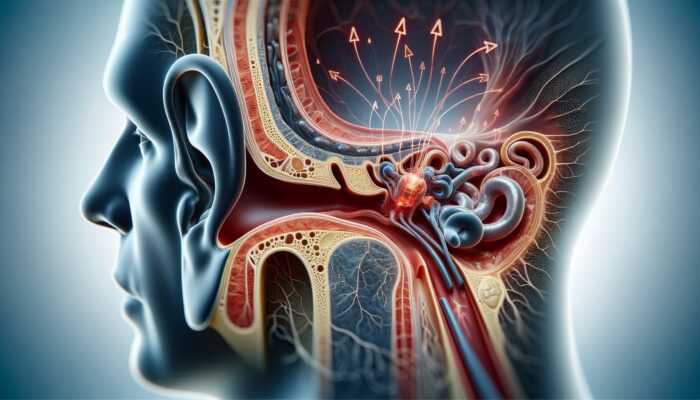
Grasping the anatomical structure of the ear is fundamental in understanding how infections can adversely affect hearing. The ear comprises three main sections: the outer ear, the middle ear, and the inner ear. Infections can target any of these areas, disrupting the standard transmission of sound. For example, when the middle ear becomes inflamed due to infection, it can swell and fill with fluid, drastically altering the way sound vibrations are transmitted to the brain.

This disruption can result in varying degrees of auditory loss, which often correlates to the infection’s severity and the specific areas involved. In severe cases, bacterial infections can lead to damage of the eardrum or inner ear structures, culminating in irreversible hearing impairment. Therefore, recognising the early signs of infection and maintaining optimal ear health can play a pivotal role in recovery and help safeguard auditory function.

Can Infections Disseminate Throughout the Body?

Infections frequently do not remain confined to one area; they can spread from other regions of the body to the auditory system through the bloodstream. This dissemination can occur in the context of systemic infections, such as meningitis, which can directly compromise hearing by infecting sensitive areas like the cochlea. The cochlea, responsible for converting sound vibrations into neural signals, is particularly vulnerable to infections.

Symptoms stemming from these systemic infections can escalate rapidly if not addressed promptly. Patients may experience not only hearing loss but also dizziness, balance difficulties, and additional neurological symptoms. These scenarios underscore the critical importance of immediate medical intervention, as early treatment can prevent further complications and help maintain hearing health.

Long-Term Consequences of Recurrent Infections on Hearing

Frequent infections may lead to enduring changes in hearing, potentially resulting in permanent structural damage to the auditory system. Chronic conditions can impair both sound perception and balance, with recovery often hinging on the severity of the infection and the body’s response to treatment options. For instance, individuals who suffer from recurrent ear infections may develop scarring of the eardrum or ossicular chain, which can lead to lasting hearing impairment.

Recognising the potential long-term implications of recurrent infections emphasises the necessity for preventive strategies and continuous monitoring. Regular check-ups can help identify and manage underlying issues, thereby preserving auditory health over time and improving overall quality of life.

Impact on Balance and the Vestibular System

The inner ear plays a pivotal role in maintaining balance through the vestibular system, which can be severely affected by infections. When the inner ear is compromised, individuals may encounter symptoms such as vertigo and dizziness, in addition to hearing loss. This dual impact can exacerbate auditory damage, as inflammation may lead to further nerve impairment and additional challenges in sound processing.

Prompt intervention is essential; untreated infections can not only exacerbate hearing loss but also lead to persistent balance issues, significantly affecting daily activities. Comprehensive treatment strategies, including vestibular rehabilitation, may be necessary to address both auditory and balance-related symptoms, assisting individuals in regaining stability and auditory function.

Expert Perspectives on the Effects of Infections on Hearing

Investigating the Key Mechanisms Through Which Infections Impact Hearing

At a cellular level, infections disrupt ear functionality through various mechanisms, including inflammation and immune responses. When pathogens invade the auditory system, the body’s immune system reacts by dispatching white blood cells to the affected area, which can inadvertently cause further harm. This immune response, while essential for combating infections, can lead to increased swelling and fluid accumulation, thereby exacerbating hearing issues.

Real-life examples illustrate how these immune responses can complicate recovery. For instance, a patient suffering from a severe ear infection may initially respond well to treatment, only to experience a resurgence of symptoms due to an overactive immune response. Understanding these mechanisms not only clarifies the scientific basis for infections and hearing loss but also underscores the need for personalised treatment strategies that consider individual patient responses.

Proactive Strategies for Protecting Hearing Health

Preventing infections that can jeopardise hearing begins with maintaining proper ear hygiene. Experts advocate for regularly cleaning the outer ear, avoiding exposure to contaminated water, and minimising the risk of upper respiratory infections that can lead to ear complications. Additionally, it is crucial to avoid situations where the ears may be exposed to potential irritants, such as loud sounds and foreign objects.

Proactive measures, including vaccinations against preventable diseases, can significantly reduce the risk of infections that may affect hearing. Individuals should also be vigilant in monitoring for early signs of ear infections and seeking prompt medical advice when symptoms arise. These strategies encourage a proactive approach to safeguarding auditory health, ultimately leading to more favourable outcomes should an infection occur.

Examining Treatment Alternatives for Hearing Loss

When infections result in hearing loss, a variety of treatment options are available. Healthcare professionals may commonly prescribe antibiotics or antifungal medications to effectively eradicate the infection. In certain circumstances, surgical intervention may become necessary, particularly if there is significant fluid accumulation or structural damage within the ear. Procedures like tympanostomy tubes can assist in relieving pressure and preventing future infections.

Real-world examples of successful treatment highlight the importance of timely intervention. For instance, a patient dealing with recurrent ear infections may benefit from a comprehensive treatment plan that encompasses both medication and lifestyle modifications. Understanding when to seek professional assistance is crucial for achieving optimal outcomes, enabling individuals to restore their auditory capabilities and improve their overall quality of life.

Understanding the Long-Term Consequences of Untreated Infections

The enduring effects of infections on hearing can be significant, especially if left unaddressed. Chronic conditions may result in permanent damage, necessitating ongoing monitoring and management to preserve auditory function. For individuals who have experienced recurrent infections, awareness of these long-term consequences is vital in maintaining hearing health.

Expert insights suggest that regular follow-ups and hearing assessments can facilitate the early detection of potential issues, enabling prompt interventions. Furthermore, establishing a robust care plan can support individuals in navigating the complexities of long-term auditory health challenges, ultimately enhancing their quality of life.

Dispelling Myths Surrounding Infections and Hearing Loss

Numerous misconceptions regarding infections and hearing loss require clarity. One prevalent myth is that all forms of hearing loss are genetic; however, environmental factors, including infections, significantly contribute to hearing issues. Expert-backed information aims to dispel these myths, empowering individuals to make informed health decisions grounded in scientific evidence.

Another widespread myth is the belief that once hearing loss occurs, it cannot be improved. While some instances may indeed result in irreversible damage, many individuals can achieve substantial recovery through early intervention and appropriate treatments. Addressing these misconceptions is essential for raising awareness and encouraging proactive approaches to hearing health.

What Are the Signs of Hearing Loss Due to Infections?

Effective Techniques for Early Detection

Research indicates that routine check-ups are vital for identifying hearing changes associated with infections. Early detection can significantly enhance treatment outcomes, facilitating timely interventions that can prevent further deterioration. Actionable steps, such as utilising at-home hearing tests, can assist individuals in identifying issues before they escalate, providing a practical method for monitoring hearing health.

Healthcare providers frequently recommend specific techniques to assess auditory function, including basic listening assessments and evaluating responsiveness to sounds. By integrating these practices into regular health checks, individuals can take control of their hearing health, ensuring they remain vigilant regarding any changes that may necessitate professional evaluation.

Recovery and Rehabilitation Strategies for Hearing Loss

Recovering from infection-related hearing loss typically necessitates a multifaceted rehabilitation approach. Evidence-based exercises, such as auditory training, can be crucial in restoring hearing function. Additionally, therapies that focus on sound discrimination and speech comprehension can significantly enhance recovery outcomes for individuals afflicted by hearing loss.

  • Auditory training exercises
  • Speech therapy aimed at sound discrimination
  • Hearing aids for sound amplification
  • Assistive listening devices
  • Balance exercises to enhance vestibular function

Real-world applications of these rehabilitation strategies demonstrate their effectiveness in aiding individuals in regaining their auditory capabilities. Collaborating with healthcare professionals to tailor rehabilitation plans can optimise recovery, contributing to improved quality of life for those affected.

Evaluating Long-Term Health Implications of Hearing Loss

Studies suggest that untreated infections can lead to chronic conditions that substantially affect long-term hearing health. Allowing infections to go unchecked can result in permanent auditory damage, diminishing overall quality of life. Experts emphasise the significance of early intervention, as timely treatment can lead to better auditory outcomes and enhanced well-being.

Preventive measures, including vaccination and promoting ear hygiene, play a key role in reducing the risk of infections that threaten hearing. By adopting these proactive strategies, individuals can protect their auditory health and mitigate potential long-term consequences, ensuring an improved quality of life.

Identifying Common Symptoms and Their Onset

The signs of infection-related hearing loss can manifest rapidly and may encompass various issues, including sudden deafness, tinnitus, and dizziness. Audiology research underscores the necessity of recognising these symptoms early, as their onset can vary widely among individuals. Immediate evaluation is crucial to preventing complications and enhancing recovery rates.

For example, sudden deafness may develop within hours or days, underscoring the urgency of prompt medical action. Understanding the nuances of these symptoms empowers individuals to seek assistance when it matters most, potentially preserving their hearing function and improving recovery outcomes.

Factors Influencing the Severity of Symptoms

Numerous factors can influence the severity of symptoms associated with hearing loss due to infections. The type of infection, a person’s age, and any underlying health conditions can all play a significant role. Research indicates that genetic predispositions can further impact how individuals respond to infections, consequently influencing overall auditory health.

Timely interventions are paramount; studies reveal that early treatment can lead to improved symptom management and prevent complications. By understanding these influencing factors, healthcare providers can develop personalised management strategies that address each individual’s unique needs, thereby enhancing outcomes and preserving hearing health.

Research-Driven Insights Into the Effects of Infections on Hearing

Ongoing research continues to elucidate the intricate relationship between infections and hearing health. Comprehending the mechanisms through which infections affect auditory function can lead to enhanced prevention and treatment strategies. For instance, studies have demonstrated that effectively managing upper respiratory infections can significantly diminish the risk of subsequent ear infections, emphasising the interconnectedness of various health aspects.

Moreover, research highlights the importance of public health initiatives in lowering infection rates, which can protect hearing health on a broader scale. By focusing on evidence-based practices and raising awareness, communities can strive to safeguard auditory health and improve the overall quality of life for individuals affected by hearing loss due to infections.

How Can You Safeguard Your Hearing from Infections?

Implementing Daily Hygiene Practices for Ear Health

Maintaining clean ears is paramount for minimising the risk of infections that can compromise hearing. Simple daily hygiene practices, such as gently cleansing the outer ear with a cloth and avoiding excessive moisture exposure, form the first line of defence against bacterial and viral entry. Additionally, individuals should refrain from inserting objects into the ear canal, as this can introduce pathogens and cause injury.

Understanding how environmental factors contribute to ear health is equally vital. For instance, wearing earplugs during swimming can help keep water out of the ears, significantly reducing infection risks. By adopting these straightforward yet effective hygiene practices, individuals can uphold their hearing health and diminish the likelihood of infection.

Why Vaccination Is Crucial for Hearing Protection

Vaccination serves as a fundamental strategy for reducing infection rates that can affect hearing. By bolstering immunity against common pathogens, vaccines play a critical role in safeguarding auditory health. For instance, vaccinations for diseases like mumps and measles can prevent infections that have been linked to hearing loss.

Public health campaigns emphasise the significance of vaccinations, aiming to raise awareness and enhance participation. Ensuring individuals receive their vaccinations not only protects them personally but also contributes to the overall health of the community, helping to lower the incidence of infections that threaten hearing. Vaccination represents a proactive approach that can significantly bolster auditory well-being.

Making Lifestyle Adjustments to Support Hearing Health

Incorporating healthy lifestyle habits can strengthen the body’s defences against infections that jeopardise hearing. A balanced diet rich in essential vitamins and minerals supports immune function, while stress management techniques can diminish the risk of infections. Engaging in regular physical activity has also been shown to enhance overall health, rendering individuals less susceptible to infections.

Furthermore, avoiding smoking and excessive alcohol consumption can significantly lower infection risks, leading to improved auditory health. By integrating these lifestyle adjustments into daily routines, individuals can build resilience and mitigate potential damage to their hearing capabilities, fostering long-term well-being.

Understanding the Ongoing Effects on Auditory Health

Addressing Chronic Complications Arising from Infections

Persistent infections can yield enduring auditory complications, such as decreased sensitivity and chronic hearing loss. These complications often necessitate ongoing management to maintain an acceptable quality of life and prevent further deterioration. Individuals suffering from chronic ear infections may encounter not only auditory challenges but also complications that impact their overall well-being.

Recognising the potential for chronic complications underscores the importance of early detection and intervention. By collaborating closely with healthcare professionals, individuals can devise tailored management plans that cater to their unique needs, ensuring they receive the requisite support to navigate the complexities of chronic auditory health challenges.

The Importance of Monitoring and Follow-Up Care

Regular assessments are crucial for tracking changes in hearing following infections. Consistent follow-ups enable healthcare professionals to identify any emerging issues, ensuring timely interventions are implemented to address them effectively. This proactive method can significantly enhance outcomes, fostering better auditory health over time.

Additionally, individuals should take an active role in monitoring their hearing health, noting any changes and discussing them with their healthcare provider. By prioritising ongoing care and engagement, patients can empower themselves to preserve their hearing function and improve their overall quality of life.

Building Resilience Against Infections

Strengthening the immune system through healthy habits can lessen the impacts of infections on hearing. Adequate sleep, balanced nutrition, and regular exercise are essential components for building overall resilience. These practices not only bolster the body’s defences against infections but also facilitate recovery when issues arise.

Moreover, mind-body practices such as yoga and meditation can reduce stress levels, further supporting immune health. Engaging in these activities fosters a holistic approach to well-being, enabling individuals to navigate potential auditory health challenges with greater resilience and improving their long-term auditory outcomes.

Effective Hearing Rehabilitation Strategies Following Infections

Customised rehabilitation strategies play a crucial role in restoring hearing capabilities after infections. Techniques such as auditory therapy can assist individuals in enhancing their sound perception, while assistive devices like hearing aids can provide essential support for those experiencing hearing loss. These methods focus on improving speech understanding, which is vital for effective communication and emotional adjustment.

Real-world applications of rehabilitation strategies underscore their effectiveness in assisting individuals post-infection. Collaborating with audiologists and rehabilitation specialists empowers patients to develop personalised plans that address their specific needs, fostering sustained auditory health and improved quality of life.

Frequently Asked Questions Regarding Infections and Hearing Loss

What types of infections can impact hearing health?

Infections that can influence hearing include bacterial infections like otitis media, viral infections such as mumps and measles, and fungal infections like otomycosis, all of which can cause varying degrees of auditory impairment.

How do infections damage auditory function?

Infections damage hearing by inducing inflammation, fluid accumulation, and potential structural damage within the ear, disrupting normal sound transmission and possibly resulting in permanent hearing loss.

What are the signs of infection-related hearing loss?

Symptoms of infection-related hearing loss encompass sudden deafness, tinnitus, dizziness, and fluid drainage from the ear. Immediate evaluation is crucial to avert complications.

Can hearing loss resulting from infections be treated effectively?

Yes, hearing loss related to infections can often be treated with antibiotics, antifungal medications, or surgical interventions, contingent on the severity and type of infection.

How can I prevent infections that threaten hearing?

Preventive strategies include maintaining ear hygiene, avoiding contaminated water, ensuring vaccinations are current, and being vigilant about early signs of infection.

What role do vaccinations play in safeguarding hearing?

Vaccinations are vital in reducing the prevalence of infections linked to hearing loss, as they enhance immunity against diseases like mumps and measles.

Are there lifestyle changes that can bolster hearing health?

Yes, lifestyle modifications such as consuming a balanced diet, managing stress levels, exercising regularly, and avoiding smoking can strengthen your immune system and protect hearing health.

What long-term effects may arise from untreated ear infections?

Neglected ear infections can lead to chronic hearing loss, persistent balance issues, and, in some cases, irreversible damage to the structures of the inner ear.

How frequently should I have my hearing evaluated?

It is advisable to have your hearing assessed regularly, especially if you have a history of ear infections or notice changes in your hearing, to ensure any issues are addressed promptly.

What advantages does hearing rehabilitation offer?

Hearing rehabilitation provides benefits such as enhanced sound perception, improved speech comprehension, and better communication skills, which can significantly elevate the quality of life for individuals recovering from hearing loss due to infections.

Join the excitement on X!

The post Infections and Their Impact on Your Hearing Health appeared first on The Microsuction Ear Wax Removal Network.
Categories
Health & Wellness Hearing Disorders

Infections’ Impact on Hearing Health

Last Updated on 06/02/2026 by Admin

Comprehensive Overview of Infections That Affect Hearing Health

Identifying and Understanding Common Bacterial Infections That Impact Auditory Health

Bacterial infections, such as <a href="https://healthcaremarketingservice.com/otitis-media-understanding-and-preventing-ear-infections/">otitis media</a>, are prevalent among individuals of all ages, particularly affecting young children who are more susceptible. These infections can provoke significant inflammation in the ear, resulting in temporary or even permanent hearing loss. The inflammation is generally caused by an accumulation of fluid and increased pressure within the middle ear, which can ultimately harm the eardrum or the delicate structures located in the inner ear. Common symptoms associated with bacterial infections include sharp ear pain, fever, and the discharge of fluid from the ear. Early medical intervention is essential for effective recovery; healthcare professionals typically prescribe antibiotics to eradicate the infection and alleviate symptoms, thereby preventing further complications and protecting hearing.

Prompt medical attention is critical, as neglecting bacterial infections can lead to more severe conditions, such as chronic ear infections or mastoiditis, which is a serious infection affecting the skull behind the ear. In regions with limited access to healthcare, the risk of complications can significantly increase. Therefore, early recognition of symptoms and swift medical intervention can dramatically enhance recovery outcomes and help maintain optimal hearing function.

What Are the Consequences of Viral Infections on Hearing?

Viral infections, including mumps, measles, and varicella, can result in a variety of auditory complications. These infections have the potential to cause inflammation of the auditory nerves, leading to distressing symptoms such as tinnitus or sudden hearing loss. While some individuals may experience a natural recovery over time without the need for treatment, others may require medical assistance to fully restore their hearing capabilities. For instance, viral labyrinthitis, which impacts the inner ear, can induce vertigo and balance issues in addition to auditory disturbances.

The implications of viral infections on hearing underscore the importance of vaccinations and robust public health initiatives. For example, extensive vaccination campaigns have significantly reduced the incidence of specific viral infections in numerous regions, thereby lowering the associated risks of hearing loss. By raising awareness about the potential auditory ramifications of viral infections, individuals can be empowered to seek timely medical intervention, which may improve recovery prospects and support overall auditory health.

Understanding the Role of Fungal Infections in Hearing Loss

Fungal infections, including otomycosis, can invade the ear canal, leading to blockages and subsequent difficulties in hearing. The growth of fungi can irritate surrounding tissues, resulting in inflammation and discomfort. Timely identification is critical for effective treatment, which may involve antifungal medications. Key symptoms to be vigilant for include:

  • Itching within the ear canal
  • Ear discharge that may have an unpleasant odour
  • Hearing impairment or muffled sound perception
  • Redness and swelling in the ear canal
  • Pain or discomfort in the ear

Identifying these symptoms at an early stage allows for prompt medical attention, which can prevent further complications and reduce the risk of permanent hearing loss. Fungal infections are often more common in warm, humid climates, highlighting the need for environmental awareness in maintaining ear health.

How Do Infections Detrimentally Affect Hearing Function?

Exploring the Anatomy of the Ear and the Impact of Infections

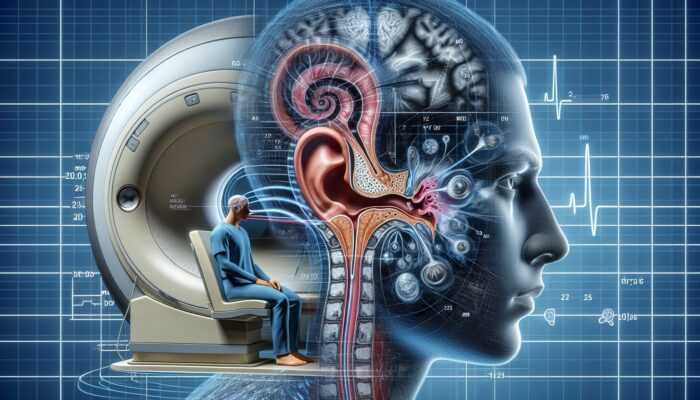
Grasping the anatomical structure of the ear is crucial when discussing how infections can impair hearing. The ear consists of three main sections: the outer ear, middle ear, and inner ear. Infections can target any of these areas, disrupting the normal transmission of sound. For instance, when the middle ear becomes inflamed due to infection, it can swell and fill with fluid, which significantly alters the manner in which sound vibrations are transmitted to the brain.

This disruption can result in varying degrees of auditory loss, contingent on the severity of the infection and the specific areas affected. In extreme cases, bacteria can inflict damage on the eardrum or inner ear structures, leading to irreversible hearing impairment. Therefore, recognising early signs of infection and maintaining ear health is vital to significantly influencing recovery and preserving auditory function.

Can Infections Spread Throughout the Body and Affect Hearing?

Infections often do not remain localized; they can disseminate from other parts of the body to the auditory system via the bloodstream. This can happen in cases of systemic infections, such as meningitis, which can directly compromise hearing by infecting sensitive areas like the cochlea. The cochlea, which is responsible for converting sound vibrations into neural signals, is particularly vulnerable to infections.

Symptoms from these systemic infections can escalate rapidly if not addressed promptly. Patients may experience not only hearing loss but also dizziness, balance difficulties, and additional neurological symptoms. These scenarios underscore the critical importance of immediate medical intervention, as early treatment can prevent further complications and safeguard hearing health.

Long-Term Effects of Recurrent Infections on Auditory Function

Repeated infections can lead to enduring changes in hearing, potentially resulting in permanent structural damage to the auditory system. Chronic conditions can affect both sound perception and balance, with recovery often reliant on the severity of the infection and the body’s response to various treatment options. For instance, individuals who suffer from frequent ear infections may develop scarring of the eardrum or ossicular chain, ultimately leading to permanent hearing impairment.

Recognising the potential long-term ramifications of recurrent infections highlights the necessity for preventive measures and consistent monitoring. Regular medical check-ups can help identify and manage underlying issues, thereby preserving auditory health over time and enhancing the overall quality of life.

What Is the Impact of Infections on Balance and the Vestibular System?

The inner ear plays a vital role in maintaining balance through the vestibular system, which can be severely affected by infections. When the inner ear is compromised, individuals may experience symptoms such as vertigo and dizziness, in addition to hearing loss. This dual impact can worsen auditory damage, as inflammation may lead to further nerve impairment and additional challenges in sound processing.

Timely intervention is crucial; untreated infections can exacerbate hearing loss and result in persistent balance issues, significantly affecting daily life. Comprehensive treatment approaches, including vestibular rehabilitation, may be necessary to address both auditory and balance-related symptoms, assisting individuals in regaining stability and hearing function.

Expert Perspectives on the Effects of Infections on Hearing

Investigating Key Mechanisms of Infection Impact on Auditory Health

At a cellular level, infections disrupt ear function through various mechanisms, including inflammation and immune responses. When pathogens invade the auditory system, the body’s immune system reacts by dispatching white blood cells to the affected area, which may inadvertently cause additional harm. This immune response, while essential for combating infections, can lead to increased swelling and fluid accumulation, exacerbating hearing problems.

Real-world examples illustrate how these immune responses can complicate recovery. For instance, an individual suffering from a severe ear infection may initially respond well to treatment, only to experience a resurgence of symptoms due to an overactive immune response. Understanding these mechanisms not only clarifies the science behind infections and hearing loss but also highlights the necessity for personalised treatment strategies that consider individual patient responses.

Implementing Preventive Strategies to Safeguard Hearing Health

Preventing infections that can compromise hearing begins with upholding proper ear hygiene. Experts recommend routinely cleaning the outer ear, avoiding exposure to contaminated water, and minimising the risk of upper respiratory infections that could lead to ear problems. It is equally vital to avoid situations where the ears may be exposed to potential irritants, such as loud noises and foreign objects.

Proactive measures, including vaccinations for preventable diseases, can significantly diminish the risk of infections that may affect hearing. Individuals should also remain vigilant about monitoring for early signs of ear infections and seeking prompt medical advice when symptoms arise. These strategies encourage a proactive approach to safeguarding auditory health, leading to more favourable outcomes should an infection occur.

What Are the Available Treatment Options for Hearing Loss Due to Infections?

When infections result in hearing loss, a variety of treatment options are available. Healthcare professionals may commonly prescribe antibiotics or antifungal medications to effectively combat the infection. In certain cases, surgical intervention may be necessary, especially if there is significant fluid accumulation or structural damage within the ear. Procedures such as tympanostomy tubes can help relieve pressure and prevent future infections.

Real-world examples of successful treatment underscore the importance of timely intervention. For instance, a patient experiencing persistent ear infections may benefit from a comprehensive treatment plan that includes both medication and lifestyle adjustments. Understanding when to seek professional help is crucial for optimal outcomes, enabling individuals to regain their auditory capabilities and enhance their overall quality of life.

Recognising the Long-Term Consequences of Untreated Infections on Hearing

The lasting effects of infections on hearing can be profound, particularly if left untreated. Chronic conditions may culminate in permanent damage, necessitating ongoing monitoring and management to preserve auditory function. For individuals who have experienced recurrent infections, understanding these long-term consequences is essential for maintaining hearing health.

Expert insights suggest that regular follow-ups and hearing assessments can help detect potential issues early, allowing for prompt interventions. Furthermore, establishing a robust care plan can aid individuals in navigating the complexities of long-term auditory health, ultimately enhancing their quality of life.

Disputing Myths Surrounding Infections and Hearing Loss

Several misconceptions exist regarding infections and hearing loss that warrant clarification. For instance, a prevalent myth is that all types of hearing loss are genetic; however, environmental factors, including infections, play a significant role. Expert-backed facts aim to dispel these misconceptions, empowering individuals to make informed health decisions based on scientific evidence.

Another common myth is the belief that once hearing loss occurs, it cannot be improved. While some cases may indeed result in irreversible damage, many individuals can achieve substantial recovery through early intervention and appropriate treatments. Addressing these misconceptions is vital in promoting awareness and encouraging proactive approaches to hearing health.

What Are the Symptoms of Hearing Loss Caused by Infections?

Effective Techniques for Early Detection of Hearing Loss

Research indicates that regular check-ups are essential for identifying hearing changes associated with infections. Early detection can significantly enhance treatment outcomes, facilitating timely interventions that can prevent further deterioration. Practical steps, such as employing at-home hearing tests, can assist individuals in identifying issues before they escalate, providing an effective method for monitoring hearing health.

Healthcare providers often recommend specific techniques to assess auditory function, including basic listening tests and evaluating responsiveness to sounds. By incorporating these practices into routine health checks, individuals can take charge of their hearing health, ensuring they remain vigilant regarding any changes that may necessitate professional evaluation.

Recovery and Rehabilitation Strategies for Hearing Loss

Recovering from infection-related hearing loss typically necessitates a multifaceted rehabilitation approach. Evidence-based exercises, such as auditory training, can be crucial in restoring hearing function. Moreover, therapies aimed at sound discrimination and speech comprehension can significantly enhance recovery outcomes for those affected by hearing loss.

  • Auditory training exercises
  • Speech therapy focused on sound discrimination
  • Hearing aids for sound amplification
  • Assistive listening devices
  • Balance exercises to improve vestibular function

Real-world applications of these rehabilitation strategies illustrate their effectiveness in assisting individuals in regaining their auditory capabilities. Collaborating with healthcare professionals to tailor rehabilitation plans can optimise recovery, contributing to an improved quality of life for those affected.

Assessing the Long-Term Health Implications of Hearing Loss

Studies indicate that untreated infections can lead to chronic conditions that significantly impact long-term hearing health. Allowing infections to go unchecked can result in permanent auditory damage, thereby diminishing quality of life. Experts emphasise the importance of early intervention, as timely treatment can lead to better auditory outcomes and overall well-being.

Preventive measures, including vaccination and promoting ear hygiene, can help mitigate the risk of infections that threaten hearing. By adopting these proactive strategies, individuals can safeguard their auditory health and reduce potential long-term consequences, ensuring an enhanced quality of life.

Identifying Common Symptoms and Their Onset in Infection-Related Hearing Loss

The symptoms of infection-related hearing loss can manifest rapidly and may encompass various issues, including sudden deafness, tinnitus, and dizziness. Audiology research underscores the necessity of recognising these symptoms early, as their onset can widely vary among individuals. Immediate evaluation is critical to preventing complications and improving recovery rates.

For example, sudden deafness may occur within hours or days, highlighting the urgency for prompt medical action. Understanding the nuances of these symptoms empowers individuals to seek assistance when it matters most, potentially preserving their hearing function and enhancing recovery outcomes.

Factors Influencing the Severity of Symptoms Related to Hearing Loss

Numerous factors can influence the severity of symptoms associated with hearing loss due to infections. The type of infection, a person’s age, and any underlying health conditions can all play crucial roles. Research suggests that genetic predispositions may further affect how individuals respond to infections, influencing overall auditory health.

Timely interventions are paramount; studies indicate that early treatment can lead to better symptom management and prevent complications. By understanding these influencing factors, healthcare providers can devise personalised management strategies that address each individual’s unique needs, thereby enhancing outcomes and preserving hearing health.

Research-Driven Insights on the Impact of Infections on Hearing

Ongoing research continues to elucidate the complex interplay between infections and hearing health. Understanding the mechanisms through which infections affect auditory function can lead to improved prevention and treatment strategies. For instance, studies have demonstrated that effectively managing upper respiratory infections can significantly lower the risk of subsequent ear infections, underlining the interconnectedness of various health aspects.

Moreover, research highlights the significance of public health initiatives in reducing infection rates, which can protect hearing health on a wider scale. By focusing on evidence-based practices and promoting awareness, communities can work towards safeguarding auditory health and enhancing the overall quality of life for individuals impacted by hearing loss due to infections.

How Can You Protect Your Hearing from Infections?

Establishing Daily Hygiene Practices for Ear Health

Maintaining clean ears is essential for reducing the risk of infections that can compromise hearing. Simple daily hygiene practices, such as gently cleaning the outer ear with a cloth and avoiding excessive exposure to moisture, serve as the first line of defence against bacterial and viral entry. Additionally, individuals should refrain from inserting objects into the ear canal, as this can introduce pathogens and cause injury.

Understanding how environmental factors contribute to ear health is equally vital. For example, using earplugs while swimming can help prevent water from entering the ears, significantly reducing the risk of infections. By adopting these straightforward yet effective hygiene practices, individuals can maintain their hearing health and lower the chances of infection.

Why Vaccination Is Vital for Protecting Hearing Health

Vaccination serves as a critical strategy for lowering infection rates that can affect hearing. By bolstering immunity against common pathogens, vaccines play an essential role in safeguarding auditory health. For instance, vaccinations for illnesses like mumps and measles can prevent infections known to be associated with hearing loss.

Public health campaigns emphasise the importance of vaccination, seeking to raise awareness and boost participation. Ensuring individuals receive their vaccinations not only protects them personally but also contributes to overall community health, helping to decrease the incidence of infections that threaten hearing. Vaccination represents a proactive approach that can significantly enhance auditory well-being.

Making Lifestyle Adjustments to Foster Hearing Health

Adopting healthy lifestyle habits can fortify the body’s defences against infections that threaten hearing. A well-balanced diet rich in essential vitamins and minerals supports immune function, while stress management techniques can reduce the likelihood of infections. Engaging in regular physical activity has also been shown to improve overall health, making individuals less susceptible to infections.

Moreover, avoiding smoking and excessive alcohol consumption can significantly lower the risk of infections, leading to improved auditory health. By integrating these lifestyle adjustments into daily routines, individuals can build resilience and minimise potential damage to their hearing capabilities, promoting long-term well-being.

Understanding Ongoing Effects on Auditory Health

Tackling Chronic Complications Arising from Infections

Persistent infections can lead to enduring auditory issues, such as reduced sensitivity and chronic hearing loss. These complications often require ongoing management to maintain quality of life and prevent further deterioration. Individuals suffering from chronic ear infections may encounter not only auditory challenges but also complications that impact their overall well-being.

Understanding the potential for chronic complications underscores the necessity for early detection and intervention. By working closely with healthcare providers, individuals can develop tailored management plans that address their unique needs, ensuring they receive the necessary support to navigate the complexities of chronic auditory health challenges.

The Significance of Monitoring and Follow-Up Care for Hearing

Regular assessments are crucial for tracking changes in hearing following infections. Consistent follow-ups enable healthcare providers to identify emerging issues, ensuring timely interventions are made to address them effectively. This proactive approach can significantly enhance outcomes, fostering better auditory health over time.

Additionally, individuals should take an active role in monitoring their hearing health, noting any changes and discussing them with their healthcare provider. By prioritising ongoing care and engagement, patients can empower themselves to preserve their hearing function and enhance their overall quality of life.

Building Resilience Against Infections That Affect Hearing

Strengthening the immune system through healthy habits can lessen the impacts of infections on hearing. Adequate sleep, balanced nutrition, and regular exercise are vital components for building overall resilience. These habits not only improve the body’s defences against infections but also assist recovery when issues arise.

Furthermore, mind-body practices such as yoga and meditation can help lower stress levels, further supporting immune health. Engaging in these activities fosters a holistic approach to well-being, enabling individuals to navigate potential auditory health challenges with greater resilience and enhance their long-term auditory outcomes.

Effective Rehabilitation Strategies for Hearing Restoration

Customised rehabilitation approaches play a pivotal role in restoring hearing capabilities following infections. Techniques such as auditory therapy can assist individuals in enhancing their sound perception, while assistive devices like hearing aids can provide crucial support for those experiencing hearing loss. These methods focus on improving speech understanding, which is essential for effective communication and emotional adjustment.

Real-world applications of rehabilitation strategies illustrate their effectiveness in aiding individuals following infection. Collaborating with audiologists and rehabilitation specialists allows patients to develop personalised plans that address their specific needs, promoting sustained auditory health and improving overall quality of life.

Frequently Asked Questions About Infections and Hearing Loss

What types of infections can affect hearing?

Infections that can impact hearing include bacterial infections like otitis media, viral infections such as mumps and measles, and fungal infections like otomycosis, all of which can cause varying degrees of auditory impairment.

How do infections damage hearing?

Infections damage hearing by causing inflammation, fluid accumulation, and potential structural damage within the ear, disrupting normal sound transmission and potentially leading to permanent hearing loss.

What are the symptoms of infection-related hearing loss?

Symptoms of infection-related hearing loss include sudden deafness, tinnitus, dizziness, and fluid drainage from the ear. Immediate evaluation is essential to prevent complications.

Can hearing loss from infections be treated?

Yes, hearing loss from infections can often be treated with antibiotics, antifungal medications, or surgical interventions, depending on the severity and type of infection.

How can I prevent infections that affect hearing?

Preventive measures include maintaining ear hygiene, avoiding contaminated water, ensuring vaccinations are up to date, and being vigilant about early signs of infection.

What is the role of vaccinations in protecting hearing?

Vaccinations play a crucial role in reducing the incidence of infections linked to hearing loss, as they boost immunity against diseases like mumps and measles.

Are there any lifestyle changes that can support hearing health?

Yes, lifestyle changes such as eating a balanced diet, managing stress, exercising regularly, and avoiding smoking can strengthen your immune system and protect hearing health.

What long-term effects can result from untreated ear infections?

Untreated ear infections can lead to chronic hearing loss, persistent balance issues, and, in some cases, permanent damage to the structures of the inner ear.

How often should I get my hearing checked?

It is recommended to have your hearing checked regularly, especially if you have a history of ear infections or experience changes in your hearing, to ensure any issues are addressed promptly.

What are the benefits of hearing rehabilitation?

Hearing rehabilitation offers benefits such as improved sound perception, better speech understanding, and enhanced communication skills, which can significantly improve the quality of life for individuals recovering from hearing loss due to infections.

Join the excitement on X!

The post Infections and Their Impact on Your Hearing Health appeared first on The Microsuction Ear Wax Removal Network.
The post Infections and Their Impact on Your Hearing Health appeared first on Healthcare Marketing Service.

Categories
Health & Wellness Hearing Aids

Hearing Aids for Music Lovers: Our Top Picks

Last Updated on 05/02/2026 by Admin

Uncover the Essential Features of Exceptional Hearing Aids Tailored for Music Lovers

What Key Factors Influence Outstanding Sound Quality in Hearing Aids?

The hallmark of premium hearing aids for music aficionados is their unparalleled ability to provide exceptional sound quality. With cutting-edge audio processing technology, each note resonates with extraordinary clarity, elevating the listening experience to one that is vibrant and genuinely enjoyable. Music enthusiasts reap significant benefits from state-of-the-art digital signal processing features that effectively reduce distortion while enhancing the richness of melodies. This advanced technology facilitates a genuine appreciation of music, allowing users to experience compositions in the precise manner intended by the artists.

Contemporary hearing aids are outfitted with sophisticated algorithms designed to meticulously analyse and enhance audio signals. This innovative technology enables users to savour crisp, clear musical notes across a diverse range of genres, whether they are captivated by the delicate strings of a symphony or the powerful bass of modern pop. Additionally, these devices can dynamically adapt their settings to correspond with various musical environments, providing a customized auditory experience that maximises enjoyment for the listener.

What Should You Consider Regarding Battery Life When Selecting Hearing Aids?

For music enthusiasts, extended battery life is a crucial factor to consider when choosing hearing aids, particularly for those who relish lengthy listening sessions. The demands of enjoying music—whether at live concerts, in the comfort of home, or while on the move—necessitate devices that can sustain prolonged use without interruption. Users can confidently rely on their hearing aids to function reliably throughout the day, ensuring an uninterrupted musical journey filled with their favourite tunes.

Recent advancements in battery technology have resulted in remarkable improvements in longevity, with certain models featuring rechargeable capabilities that eliminate the inconvenience of frequent battery replacements. This not only enhances user convenience but also promotes eco-friendliness, as it helps reduce waste while users indulge in their favourite melodies.

How Do Hearing Aids Seamlessly Integrate with Modern Technology?

Effortless connectivity is essential for music enthusiasts, and many of the best hearing aids for music lovers now come equipped with advanced Bluetooth technology. This functionality allows users to effortlessly connect their hearing aids to a variety of devices, enhancing both accessibility and convenience. Whether streaming music from a smartphone, tablet, or computer, users can enjoy a richer auditory experience free from cumbersome wires and connections.

Key compatibility features include:

  • Bluetooth connectivity with smartphones and tablets
  • Integration with popular music streaming services
  • Direct audio input from devices such as televisions
  • User-friendly control applications for customized settings
  • Multi-device pairing capabilities for effortless use

This level of technological integration simplifies the transition between diverse audio sources, ensuring that music is always just a command away for the listener.

How Does Advanced Noise Cancellation Transform Listening Experiences?

The emergence of advanced noise cancellation technology represents a revolutionary feature for music lovers using hearing aids. This innovative capability effectively diminishes unwanted background sounds, allowing users to concentrate on the music with remarkable clarity. Imagine relishing your favourite tracks at a bustling concert or in a lively café without distractions from surrounding noise—this is the extraordinary benefit of modern hearing aids designed with exceptional noise suppression.

These devices continuously evaluate the acoustic environment in real-time, adjusting their settings to filter out distractions while amplifying the desired audio frequencies. This technology is particularly vital for individuals with hearing loss, as it enables them to fully appreciate audio content in various settings, ensuring that music, conversations, and ambient sounds blend harmoniously for an enriched auditory experience.

Gain Invaluable Insights into Selecting the Optimal Hearing Aids for Music Lovers

What Are the Most Recent Technological Innovations That Enhance Music Clarity?

The hearing aid industry has experienced remarkable technological advancements that significantly enhance music clarity. Innovations such as adaptive sound processing and improved frequency adjustments empower users to engage with music more vividly than ever before. These breakthroughs enable hearing aids to detect different types of audio sources and adjust their settings accordingly, ensuring that every note is reproduced with precision and fidelity.

Moreover, enhancements in digital signal processing facilitate the analysis of sound environments, allowing devices to adapt dynamically. Users will find that these features substantially elevate their overall listening experiences, making it effortless to enjoy intricate musical compositions or high-energy tracks without any distortion.

How Can Personal Customization Tailor Hearing Aids to Individual Preferences?

Personalization is paramount for adapting hearing aids to suit individual music preferences. Users can take actionable steps by collaborating with audiologists to fine-tune sound profiles based on their unique tastes. Through the use of specialized software, hearing aids can be meticulously adjusted to amplify specific sounds, frequencies, or musical styles, resulting in a more enriching listening experience tailored to the individual.

Many contemporary hearing aids feature intuitive apps that empower users to modify their settings on-the-go, ensuring adaptability to different musical genres and environments, whether it’s enjoying classical music in a tranquil room or grooving to upbeat tracks at a lively event.

What Factors Should Be Considered Regarding Performance in Diverse Music Settings?

Understanding how hearing aids operate across various music environments is essential for users. For instance, the acoustics and crowd noise at a concert can introduce challenges, yet high-quality hearing aids excel in such situations. They automatically adjust to enhance the music while suppressing background noise, enabling users to immerse themselves fully in the performance.

Experts recommend testing hearing aids in diverse settings—such as live concerts, intimate gatherings, or while enjoying recorded music at home—to determine which models best cater to personal preferences. By sharing insights on specific scenarios, users can achieve optimal results and relish music across a variety of environments.

How Do Hearing Aids Significantly Alter the Music Experience for Users?

What Role Does Noise Reduction Play in Enhancing Music Enjoyment?

Noise reduction is a crucial component in enhancing the music experience for hearing aid users. By effectively minimising background interference, advanced noise cancellation features enable individuals to focus entirely on pure sounds. This capability is especially vital during live concerts, where ambient noise can detract from the overall musical enjoyment.

When background noise is efficiently suppressed, users can savour the nuances of live performances or recordings, making each listening experience profoundly immersive. This technology empowers music enthusiasts to connect deeply with their favourite artists without the distraction of surrounding sounds, ultimately fostering a more profound emotional bond with the music.

How Does Enhanced Frequency Response Improve Musical Listening Experiences?

Enhancing frequency response is another critical aspect of improving the music listening experience. Hearing aids equipped with this capability can amplify essential musical ranges, delivering a richer sound without overwhelming users. This feature is invaluable for music lovers who appreciate subtle details in sound, from the high notes of a violin to the low frequencies of a bass guitar.

The advantages of enhanced frequency response include:

  • Improved clarity in high-frequency sounds
  • Richer bass tones for a more immersive sound
  • Better balance across diverse musical styles
  • Reduced listening fatigue during extended sessions

These adjustments enable users to enjoy their music more comfortably, transforming long listening sessions into a genuinely pleasurable experience.

How to Achieve the Ideal Balance Between Volume and Clarity?

Achieving the perfect balance between volume and clarity is essential for music lovers using hearing aids. Advanced mechanisms ensure that distortion remains minimised even at elevated volumes, allowing users to enjoy their favourite tracks without sacrificing sound quality. This feature is critical for maintaining comfort during prolonged listening, where excessive volume can lead to fatigue and discomfort.

By employing sophisticated algorithms that regulate sound output, hearing aids can prevent distortion, thereby preserving the authenticity of the music. This meticulous attention to detail ensures that music enthusiasts can indulge in their favourite tunes without concerns regarding sound degradation.

Research-Backed Benefits of Top Hearing Aids for Music Lovers

How Can You Effectively Assess User Reviews for Hearing Aids?

Evaluating user reviews is a crucial step in identifying reliable hearing aid models that excel in music playback. By thoroughly analysing feedback from fellow users, music enthusiasts can gain invaluable insights into real experiences, guiding them towards making informed decisions based on tangible outcomes.

Pay close attention to specific mentions of sound quality, battery life, and comfort within user reviews, as these are critical indicators of a model’s performance. Additionally, consider overall satisfaction ratings and how the hearing aids perform in various musical environments, as these factors will significantly influence the listening experience.

What Key Factors Are Important When Selecting Hearing Aid Models?

Several key factors should be considered when choosing hearing aids that are suitable for music. Durability and user-friendliness are paramount, as these elements enhance usability during musical activities. Users should seek devices that can withstand varying environments, such as outdoor concerts or high-energy events, while remaining comfortable for extended wear.

Another critical aspect is the adaptability of the hearing aids. Models that offer customizable settings tailored for different music genres can significantly elevate the listening experience. This practical guidance aids users in selecting devices that effectively meet their musical needs.

Why Is Comfort a Top Priority in the Design of Hearing Aids?

Comfort is a fundamental aspect in the design of hearing aids, particularly for users who attend music events or engage in lengthy listening sessions. Ergonomic features ensure that hearing aids fit securely and snugly, enhancing overall satisfaction and usability. A well-fitted device not only delivers superior sound quality but also prevents discomfort, allowing users to enjoy music without distractions.

Furthermore, comfortable designs are vital for individuals who wear hearing aids throughout the day, as they enhance long-term usability. When users feel confident in their devices, they are more inclined to engage fully in musical experiences, fostering a greater appreciation for sound.

Which Hearing Aids Are Highly Recommended for Music Enthusiasts?

Comparing Popular Hearing Aid Models to Determine the Best Fit

How Do Audio Processing Speeds Vary Among Different Models?

Audio processing speed is a critical factor that profoundly impacts the overall musical experience provided by hearing aids. Faster processing capabilities facilitate superior synchronization with dynamic soundscapes, allowing users to appreciate intricate musical arrangements without delays or lags. For instance, models that excel in this domain can effectively manage rapid transitions between notes, ensuring that every beat is captured accurately.

Brands that prioritise advanced processing speeds often utilise cutting-edge technology, making them ideal selections for music lovers seeking enriched listening experiences. Noteworthy examples of models recognised for their superior audio processing include those equipped with high-speed digital signal processing chips, which enable seamless audio delivery.

What Variations Exist in Price and Value for Hearing Aids?

Price and value are significant considerations for anyone seeking hearing aids focused on music quality. Fortunately, the market offers a diverse array of cost-effective options that do not compromise on audio performance. Users can discover high-quality hearing aids at various price points, ensuring that accessibility is available for all music enthusiasts.

When assessing value, it’s crucial to evaluate features such as audio clarity, battery longevity, and connectivity options. Models that successfully combine these attributes while remaining budget-friendly empower users to fully enjoy their musical journeys without overspending.

Is Waterproofing a Necessary Feature for Music Lovers?

Waterproofing can be a vital attribute for hearing aids, particularly for music aficionados who participate in outdoor activities or attend events in varied weather conditions. A water-resistant design ensures that the devices can withstand moisture, protecting them from potential damage while maintaining performance integrity.

Additionally, waterproof models are beneficial for those who enjoy music during workouts or outdoor excursions, providing reassurance that they can enjoy their favourite tracks without worry. Opting for hearing aids with waterproof features can enhance the overall music experience, allowing users to stay active and engaged.

What Characteristics Make Certain Hearing Aids Ideal for Music Listening?

What Benefits Do Wireless Hearing Aid Options Provide?

Wireless hearing aids are increasingly popular, especially among music lovers. The advantages of cord-free designs facilitate seamless music streaming from various devices, eliminating tangles and enhancing mobility during performances. Users can connect their hearing aids to smartphones or other audio sources effortlessly, creating a more enjoyable listening experience without the hassle of wires.

Furthermore, wireless hearing aids typically provide superior sound quality and stability, ensuring that users can experience music without interruptions. This combination of convenience and performance makes them a preferred choice for those seeking to enhance their auditory experiences.

How Do Multiple Listening Modes Enhance Musical Experiences?

Multiple listening modes significantly influence how hearing aids cater to a spectrum of musical tastes. These versatile settings adjust to different music genres, enabling users to personalise their experiences based on their preferences. For instance, modes may prioritise clarity for classical music while enhancing bass for pop or rock genres, ensuring an optimal sound experience regardless of the style.

By utilising these settings, users can enjoy a tailored listening experience that aligns with their musical selections, amplifying overall enjoyment and connection to the music. This adaptability is a key feature that distinguishes the best hearing aids for music enthusiasts.

How Can Users Ensure Longevity in the Performance of Their Hearing Aids?

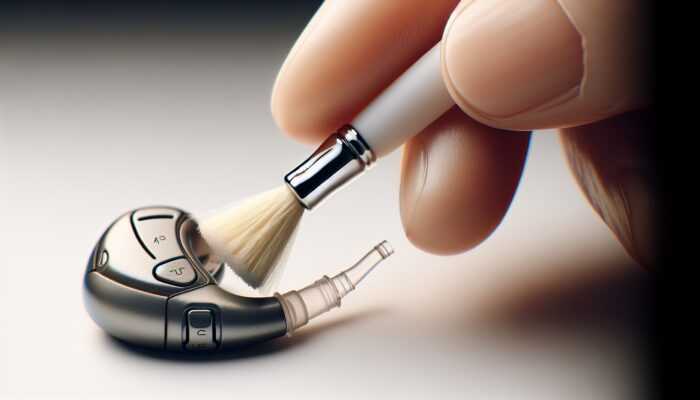
To maintain optimal performance in hearing aids, regular maintenance is crucial. Users should be proactive about caring for their devices, as proper upkeep can significantly extend their lifespan and effectiveness for music listening. Implementing a few straightforward strategies can help maintain peak functionality over time.

  • Regularly clean hearing aids to prevent the buildup of wax or debris
  • Store devices in a cool, dry place when not in use
  • Replace batteries as needed to ensure consistent power supply
  • Schedule regular check-ups with an audiologist for professional maintenance

By following these simple maintenance strategies, users can keep their hearing aids functioning at their best, ensuring a consistently enjoyable music experience.

Essential Tips for Optimising Hearing Aids with Music

How to Adjust Your Settings for the Optimal Listening Experience?

To achieve the ultimate listening experience with hearing aids, users should devote time to adjusting their settings according to their personal music preferences. Fine-tuning various aspects such as volume, frequency response, and noise cancellation can significantly enhance enjoyment while reducing listening fatigue.

Starting with a default setting, users can experiment with adjustments in different environments and with various music styles. Keeping a record of preferences may assist in tracking changes and identifying what works best in specific contexts, ultimately resulting in a more satisfying listening experience tailored to individual tastes.

How to Integrate Hearing Aids with Music Apps for an Enhanced Experience?

Integrating hearing aids with music applications can create a cohesive listening setup that enhances accessibility and engagement. Many modern hearing aids are compatible with popular streaming services, allowing users to enjoy their favourite music directly through their devices. This integration simplifies the listening process, making it easy to switch between playlists or genres on the go.

Moreover, utilizing dedicated apps allows users to control their hearing aids directly from their smartphones, providing seamless interaction with audio content. This connectivity enriches the overall music experience, empowering users to explore new sounds and stay connected to their favourite tracks.

What Common Usage Errors Should Be Avoided for Optimal Enjoyment?

Avoiding common usage errors is crucial for maximizing the benefits of hearing aids while enjoying music. Issues such as improper fitting can greatly affect sound quality and comfort. Ensuring a proper fit not only enhances the audio experience but also reduces the likelihood of discomfort or feedback.

Additionally, users should be cautious regarding volume levels. Listening at excessively high volumes can lead to distortion and potential long-term damage. By being aware of these pitfalls and implementing best practices, users can enjoy music to its fullest without compromising their hearing health.

Long-Term Considerations for Hearing Aid Users to Enhance Their Experience

What Future Upgrades Can Users Anticipate for Their Hearing Aids?

As technology continues to advance, users can look forward to future upgrades in hearing aids that will further enhance their music experiences. Innovations such as improved artificial intelligence capabilities and more sophisticated audio processing features are likely to emerge. These advancements will empower devices to analyse sound environments more effectively and adapt to user preferences in real time.

Additionally, developments in battery technology are expected to yield longer-lasting power, reducing the need for frequent recharges and making music listening more convenient. Staying informed about these trends will enable users to make optimal choices for their auditory needs.

What Warranty and Support Options Are Available for Hearing Aids?

Having a robust warranty and support options is essential for maintaining the functionality of hearing aids over the years. Reliable after-sales service ensures that users can address any issues that arise, preserving their music enjoyment without interruptions. Many manufacturers offer comprehensive warranties that cover defects and provide support for repairs or replacements.

Understanding the terms of warranty coverage and the availability of customer support can offer users peace of mind as they embark on their musical journeys. Investing in hearing aids backed by solid support options guarantees a worry-free experience for music lovers.

How to Implement Sustainable Practices in Hearing Aid Use?

Sustainable practices are vital in the use of devices, contributing to longer product life and improved music enjoyment. Users can adopt eco-friendly habits, such as responsibly disposing of batteries and recycling old devices, to minimise their environmental impact.

Choosing rechargeable hearing aids also supports sustainability, reducing waste and encouraging environmentally conscious choices. By integrating these practices into their routines, users can enhance their listening experiences while contributing to a healthier planet.

How to Adapt Hearing Aids to Changing Lifestyles Over Time?

As lifestyles evolve, it is crucial for hearing aid users to adapt their devices to meet their changing needs. This may involve software updates that enhance audio processing or professional fittings that guarantee optimal sound quality. Regular consultations with audiologists can assist users in evaluating their current needs and making necessary adjustments.

Remaining proactive about maintenance and updates ensures that users can sustain high-quality music enjoyment over the years. By embracing adaptability, users can seamlessly transition with their hearing aids, guaranteeing that their auditory experiences remain fulfilling regardless of life changes.

What Financial Planning Should Be Done for Ongoing Hearing Aid Use?

Effective financial planning for ongoing hearing aid use is essential for managing expenses related to batteries, repairs, and upgrades. Users should consider setting aside a budget that accounts for these costs, ensuring that they can sustain their music experiences without interruption.

Additionally, exploring potential tax benefits for medical devices or possible insurance coverage can provide financial relief. By strategically planning for ongoing costs, users can confidently enjoy their favourite music, knowing they have the resources to maintain their hearing aids effectively.

Frequently Asked Questions About Hearing Aids for Music Lovers

What are the leading hearing aids recommended for music lovers?

The top-rated hearing aids for music enthusiasts focus on sound quality, battery longevity, connectivity features, and noise cancellation. Models that incorporate advanced audio processing technology deliver the best overall experience.

Can hearing aids genuinely enhance my music listening experience?

Absolutely, hearing aids can significantly elevate music listening experiences by providing clearer sound quality, minimising distortion, and adapting to various musical environments, resulting in a richer audio experience.

Are there hearing aids specifically designed for music enjoyment?

While many hearing aids offer features beneficial for music lovers, some models are specifically engineered to deliver superior sound quality and customizable settings tailored to musical preferences.

How do I choose the right hearing aid for music listening?

Selecting the ideal hearing aid involves considering sound quality, battery life, comfort, and advanced features such as connectivity options and noise cancellation that cater to your musical experiences.

What features should I prioritise in hearing aids for concert enjoyment?

Seek hearing aids with robust noise cancellation, rapid audio processing speeds, and customizable settings that can adapt to live music environments, ensuring an enjoyable concert experience.

Can I connect hearing aids to my smartphone for music streaming?

Yes, numerous modern hearing aids come equipped with Bluetooth capabilities, allowing users to connect directly to smartphones and music streaming services for a seamless listening experience.

How do I maintain my hearing aids for optimal music enjoyment?

Regular cleaning, battery management, and professional check-ups are crucial for maintaining peak performance. This ensures that your hearing aids continue to deliver high-quality sound over time.

Are there affordable hearing aids that still provide quality music experiences?

Yes, several affordable hearing aids deliver excellent sound quality. It’s essential to look for models that have good user reviews and essential features like noise cancellation and audio processing.

What should I do if I experience discomfort with my hearing aids while listening to music?

If discomfort occurs, verify the fit of your hearing aids and adjust settings as needed. Consulting with an audiologist can also help resolve any issues related to comfort.

How often should I consider upgrading my hearing aids for music use?

The necessity for upgrades depends on technological advancements and personal requirements. Regularly assessing your hearing aids’ performance and features is advisable to determine when an upgrade is warranted.

Join us on X for exclusive updates!

The post Best Hearing Aids for Music Lovers: Top Recommendations appeared first on The Microsuction Ear Wax Removal Network.
Categories
Health & Wellness Sound Enhancement

Hearing Aids for Music Lovers: Top Picks to Enhance Sound

Last Updated on 05/02/2026 by Admin

Explore Essential Features of Exceptional Hearing Aids Crafted for Music Lovers

What Factors Ensure Outstanding Sound Quality in Hearing Aids?

The hallmark of premium hearing aids tailored for music aficionados lies in their capability to deliver superb sound quality. Innovative audio processing technology guarantees that every musical note resonates with astonishing clarity, turning the auditory experience into something vibrant and genuinely enjoyable. For music enthusiasts, this means enjoying the full depth of their favourite tracks, as cutting-edge digital signal processing features reduce distortion and enhance the richness of melodies. Such technology facilitates an authentic appreciation of music, allowing users to savour it precisely as it was intended by the artists.

Contemporary hearing aids come outfitted with advanced algorithms designed to scrutinise and enhance audio signals. This state-of-the-art technology enables users to enjoy crisp, clear musical notes across a multitude of genres, whether they are enchanted by the delicate strings of a symphony or the booming bass of modern pop music. Moreover, these devices can autonomously adjust their settings to suit various musical environments, providing a bespoke auditory experience that maximises enjoyment for every listener.

What Essential Insights Should You Have About Battery Life When Selecting Hearing Aids?

For music enthusiasts, extended battery life is a critical factor when choosing hearing aids, particularly for those who enjoy lengthy listening sessions. The demands of relishing music—whether at live concerts, in the comfort of one’s home, or while commuting—necessitate devices that can endure prolonged use without interruption. Users can feel confident knowing that their hearing aids will operate reliably throughout the day, allowing for a continuous musical experience.

Recent advancements in battery technology have led to considerable enhancements in longevity, with some models now featuring rechargeable capabilities that eliminate the inconvenience of frequent battery replacements. This not only simplifies the user experience but also supports eco-friendliness, as it decreases waste while users immerse themselves in their favourite tunes.

How Are Hearing Aids Integrated with Contemporary Technology?

Effortless connectivity is crucial for music lovers, and many of the finest hearing aids for music enthusiasts are now equipped with advanced Bluetooth technology. This functionality allows users to seamlessly connect their hearing aids to a variety of devices, enhancing both accessibility and convenience. Whether streaming music from a smartphone, tablet, or computer, users can immerse themselves in a richer auditory experience without the hassle of cumbersome wires and connections.

Key compatibility features include:

  • Bluetooth connectivity with smartphones and tablets
  • Integration with music streaming services
  • Direct audio input from devices like televisions
  • User-friendly control applications for personalised settings
  • Multi-device pairing capabilities for added convenience

This level of technological integration simplifies the transition between various audio sources, ensuring that music is readily available at the listener’s command.

How Does Advanced Noise Cancellation Transform Listening Experiences?

The introduction of advanced noise cancellation technology represents a groundbreaking feature for music lovers using hearing aids. This innovative capability effectively diminishes unwanted background sounds, allowing users to focus intently on the music with crystal clarity. Imagine enjoying your favourite tracks at a bustling concert or in a lively café without distractions from the surrounding noise—this is the extraordinary advantage provided by modern hearing aids designed with superior noise suppression.

These devices continuously assess the acoustic environment in real-time, adjusting their settings to filter out distractions while enhancing the desired audio frequencies. Such technology is especially vital for individuals experiencing hearing loss, as it enables them to fully appreciate audio content in diverse settings, ensuring that music, conversations, and ambient sounds harmonise for an enriched experience.

Gain Valuable Insights on Choosing the Optimal Hearing Aids for Music Enthusiasts

What Are the Latest Technological Breakthroughs Enhancing Music Clarity?

The hearing aid industry has witnessed remarkable technological innovations that significantly elevate music clarity. Features such as adaptive sound processing and enhanced frequency adjustments empower users to engage with music more vividly than ever before. These advancements enable hearing aids to identify different types of audio sources and modify their settings accordingly, ensuring that every note is reproduced with exceptional precision and fidelity.

Additionally, improvements in <a href="https://healthcaremarketingservice.com/analog-vs-digital-hearing-aids-key-differences-explained/">digital signal processing</a> allow for comprehensive analysis of sound environments, enabling devices to adapt dynamically. Users will discover that these features substantially enhance their overall listening experiences, making it effortless to enjoy intricate musical compositions or high-energy tracks without any distortion.

How Can Personalisation Tailor Hearing Aids to Your Unique Preferences?

Personalisation plays a vital role in adapting hearing aids to meet individual music preferences. Users can take proactive measures by collaborating with audiologists to finely tune sound profiles based on their specific tastes. Employing specialised software enables careful adjustment of hearing aids to amplify particular sounds, frequencies, or musical styles, resulting in a more enriching listening experience.

Many modern hearing aids come equipped with intuitive applications that empower users to modify their settings on-the-go, ensuring flexibility in adapting to different musical genres and environments, whether it’s enjoying classical music in a serene room or dancing to upbeat tracks at a lively event.

What Factors Should You Consider Regarding Performance in Varied Musical Settings?

Understanding how hearing aids function across a range of musical environments is crucial for users. For instance, the acoustics and crowd noise at a concert can present challenges; however, high-quality hearing aids excel in these situations. They automatically adjust to enhance the music while suppressing background noise, allowing users to fully immerse themselves in the performance.

Experts recommend testing hearing aids in various settings—such as live concerts, intimate gatherings, or while enjoying recorded music at home—to determine which models best cater to personal preferences. By sharing insights on specific scenarios, users can achieve optimal results and relish music across diverse environments.

How Do Hearing Aids Revolutionise the Music Experience for Users?

What Role Does Noise Reduction Play in Enhancing Music Enjoyment?

Noise reduction is a crucial element in enriching the music experience for hearing aid users. By effectively minimising background interference, advanced noise cancellation features enable individuals to concentrate entirely on pure sounds. This capability becomes particularly essential during live concerts, where ambient noise can detract from musical enjoyment.

When background noise is efficiently suppressed, users can appreciate the subtle nuances of live performances or recordings, making every listening experience profoundly immersive. This technology empowers music lovers to forge a deeper connection with their favourite artists, free from the distractions of surrounding sounds, ultimately fostering a more profound emotional bond with the music.

How Does Enhancing Frequency Response Elevate Musical Listening?

Enhancing frequency response is another critical aspect of improving the music listening experience. Hearing aids equipped with this feature can amplify essential musical ranges, delivering a richer sound without overwhelming users. This capability is invaluable for music lovers who cherish subtle details in sound, from the high notes of a violin to the low frequencies of a bass guitar.

The benefits of enhanced frequency response include:

  • Improved clarity in high-frequency sounds
  • Richer bass tones for a more immersive listening experience
  • Better balance across various musical styles
  • Reduced listening fatigue during extended sessions

These adjustments enable users to relish their music more comfortably, transforming long listening sessions into a truly pleasurable experience.

How to Achieve the Ideal Balance Between Volume and Clarity?

Achieving the perfect balance between volume and clarity is essential for music lovers using hearing aids. Advanced mechanisms ensure that distortion remains minimised even at high volumes, allowing users to enjoy their favourite tracks without sacrificing quality. This feature is critical for maintaining comfort during lengthy listening periods, where excessive volume can lead to fatigue and discomfort.

By employing sophisticated algorithms that regulate sound output, hearing aids can prevent distortion, thereby preserving the authenticity of the music. This meticulous attention to detail ensures that music enthusiasts can indulge in their favourite tunes without concerns about sound degradation.

Research-Backed Benefits of the Best Hearing Aids for Music Lovers

How Can You Effectively Assess User Reviews?

Evaluating user reviews is an essential step in identifying reliable hearing aid models that excel in music playback. By meticulously analysing feedback from fellow users, music enthusiasts can gain valuable insights into real experiences, guiding them to make informed decisions based on tangible outcomes.

Pay attention to specific mentions of sound quality, battery longevity, and comfort within user reviews, as these are crucial indicators of a model’s performance. Additionally, consider overall satisfaction ratings and how the hearing aids perform in various musical environments, as these factors will greatly influence the listening experience.

What Key Factors Should You Keep in Mind When Selecting Hearing Aid Models?

Several key factors should be considered when selecting hearing aids suitable for music. Durability and user-friendliness are paramount, as these elements enhance usability during musical activities. Users should seek devices capable of withstanding varying environments, such as outdoor concerts or high-energy events, while remaining comfortable for extended wear.

Another crucial aspect is the adaptability of the hearing aids. Models that offer customizable settings tailored for different music genres can significantly elevate the listening experience. This practical advice aids users in selecting devices that effectively meet their musical needs.

Why Is Comfort a Fundamental Priority in Hearing Aid Design?

Comfort is vital in the design of hearing aids, particularly for users who attend music events or engage in long listening sessions. Ergonomic features ensure that hearing aids fit securely and snugly, enhancing overall satisfaction and usability. A well-fitted device not only delivers superior sound quality but also prevents discomfort, allowing users to enjoy music without distractions.

Furthermore, comfortable designs are crucial for individuals who wear hearing aids throughout the day, as they enhance long-term usability. When users feel confident in their devices, they are more likely to engage fully in musical experiences, fostering a greater appreciation for sound.

Which Hearing Aids Are Highly Recommended for Music Enthusiasts?

Comparing Popular Hearing Aid Models to Identify the Best Fit

How Do Audio Processing Speeds Vary Among Different Models?

Audio processing speed is a vital factor that significantly influences the overall musical experience provided by hearing aids. Faster processing capabilities facilitate better synchronisation with dynamic soundscapes, allowing users to appreciate intricate musical arrangements without delays or lags. For example, models that excel in this domain can effectively manage rapid transitions between notes, ensuring that every beat is captured accurately.

Brands that prioritise advanced processing speeds often employ cutting-edge technology, making them ideal choices for music lovers seeking enhanced auditory experiences. Noteworthy examples of models recognised for their superior audio processing include those equipped with high-speed digital signal processing chips, which enable seamless audio delivery.

What Variations Exist in Price and Value for Hearing Aids?

Price and value are significant considerations for anyone seeking hearing aids focused on music quality. Fortunately, the market offers a diverse range of cost-effective options that do not compromise on audio performance. Users can discover high-quality hearing aids at various price points, ensuring that accessibility is available for all music enthusiasts.

When assessing value, it’s essential to evaluate features such as audio clarity, battery life, and connectivity options. Models that combine these attributes while remaining budget-friendly empower users to fully enjoy their musical journeys without overspending.

Is Waterproofing an Essential Feature for Music Lovers?

Waterproofing can be a crucial attribute for hearing aids, especially for music lovers who participate in outdoor activities or attend events in varying weather conditions. A water-resistant design ensures that the devices can withstand moisture, protecting them from potential damage while maintaining performance integrity.

Additionally, waterproof models are beneficial for those who enjoy music during workouts or outdoor excursions, providing reassurance that they can enjoy their favourite tracks without worry. Choosing hearing aids with waterproof features can enhance the overall music experience, enabling users to remain active and engaged.

What Characteristics Render Certain Hearing Aids Ideal for Music Listening?

What Benefits Do Wireless Hearing Aid Options Provide?

Wireless hearing aids are gaining traction, particularly among music lovers. The advantages of cord-free designs facilitate seamless music streaming from various devices, reducing tangles and enhancing mobility during performances. Users can connect their hearing aids to smartphones or other audio sources effortlessly, creating a more enjoyable listening experience without the hassle of wires.

Furthermore, wireless hearing aids typically offer superior sound quality and stability, ensuring that users can experience music without interruptions. This combination of convenience and performance makes them a preferred choice for those seeking to enhance their auditory experiences.

How Do Multiple Listening Modes Elevate Musical Experiences?

Multiple listening modes significantly impact how hearing aids cater to a spectrum of musical tastes. These versatile settings adapt to different music genres, allowing users to personalise their experiences based on their unique preferences. For instance, modes may prioritise clarity for classical music while enhancing bass for pop or rock genres, ensuring an optimal sound experience regardless of the style.

By utilising these settings, users can enjoy a tailored listening experience that aligns with their musical selections, amplifying overall enjoyment and connection to the music. This adaptability is a key feature that distinguishes the best hearing aids for music enthusiasts.

How Can Users Ensure the Longevity of Their Hearing Aids’ Performance?

To maintain optimal performance in hearing aids, regular maintenance is essential. Users should be proactive about caring for their devices, as proper upkeep can significantly extend their lifespan and effectiveness for music listening. Implementing a few straightforward strategies can help maintain peak functionality over time.

  • Regularly clean hearing aids to prevent the buildup of wax or debris
  • Store devices in a cool, dry place when not in use
  • Replace batteries as required to ensure a consistent power supply
  • Schedule regular check-ups with an audiologist for professional maintenance

By adhering to these simple maintenance strategies, users can keep their hearing aids functioning at their best, ensuring a consistently enjoyable music experience.

Essential Tips for Optimising Hearing Aids with Music

How to Adjust Settings for the Best Listening Experience?

To achieve the ultimate listening experience with hearing aids, users should dedicate time to adjusting their settings according to personal music preferences. Fine-tuning various aspects such as volume, frequency response, and noise cancellation can significantly enhance enjoyment and mitigate listening fatigue.

Starting with a default setting, users can experiment with adjustments in different environments and with various music styles. Keeping a record of preferences may assist in tracking changes and identifying what works best in specific contexts, ultimately resulting in a more satisfying listening experience tailored to individual tastes.

How to Integrate Hearing Aids with Music Apps for an Enhanced Experience?

Integrating hearing aids with music applications can create a cohesive listening setup that enhances accessibility and engagement. Many modern hearing aids are compatible with popular streaming services, enabling users to enjoy their favourite music directly through their devices. This integration simplifies the listening process, making it easy to switch between playlists or genres on the go.

Moreover, using dedicated applications allows users to control their hearing aids directly from their smartphones, providing seamless interaction with audio content. This connectivity enriches the overall music experience, empowering users to explore new sounds and remain connected to their favourite tracks.

What Common Usage Mistakes Should Be Avoided for Optimal Enjoyment?

Avoiding common usage mistakes is crucial for maximising the benefits of hearing aids while enjoying music. Issues such as improper fitting can greatly affect sound quality and comfort. Ensuring a proper fit not only enhances audio experience but also reduces the likelihood of discomfort or feedback.

Additionally, users should be mindful of volume levels. Listening at excessively high volumes can lead to distortion and potential long-term damage. By being aware of these pitfalls and implementing best practices, users can enjoy music to its fullest without compromising their hearing health.

Long-Term Considerations for Hearing Aid Users to Enhance Their Experience

What Future Upgrades Can Users Anticipate?

As technology continues to advance, users can look forward to future upgrades in hearing aids that will further enhance their music experiences. Innovations such as improved artificial intelligence capabilities and more sophisticated audio processing features are likely to emerge. These advancements will empower devices to analyse sound environments more effectively and adapt to user preferences in real-time.

Additionally, developments in battery technology are expected to yield longer-lasting power, reducing the need for frequent recharges and making music listening more convenient. Staying informed about these trends will enable users to make optimal choices for their auditory needs.

What Warranty and Support Options Are Available for Hearing Aids?

Having a robust warranty and support options is essential for maintaining the functionality of hearing aids over the years. Reliable after-sales service ensures that users can address any issues that arise, preserving their music enjoyment without interruptions. Many manufacturers offer comprehensive warranties that cover defects and provide support for repairs or replacements.

Understanding the terms of warranty coverage and the availability of customer support can offer users peace of mind as they embark on their musical journeys. Investing in hearing aids backed by solid support options guarantees a worry-free experience for music lovers.

How to Implement Sustainable Practices in Hearing Aid Use?

Sustainable practices are vital in device use, contributing to longer product life and improved music enjoyment. Users can adopt eco-friendly habits, such as responsibly disposing of batteries and recycling old devices, to minimise their environmental impact.

Opting for rechargeable hearing aids also supports sustainability, reducing waste and encouraging environmentally conscious choices. By integrating these practices into their routines, users can enhance their listening experiences while contributing to a healthier planet.

How to Adapt Hearing Aids to Evolving Lifestyles Over Time?

As lifestyles evolve, it is crucial for hearing aid users to adapt their devices to meet their changing needs. This may involve software updates that enhance audio processing or professional fittings that guarantee optimal sound quality. Regular consultations with audiologists can assist users in evaluating their current needs and making necessary adjustments.

Remaining proactive about maintenance and updates ensures that users can sustain high-quality music enjoyment over the years. By embracing adaptability, users can seamlessly transition with their hearing aids, guaranteeing that their auditory experiences remain fulfilling regardless of life changes.

What Financial Planning Should Be Done for Ongoing Hearing Aid Use?

Effective financial planning for ongoing hearing aid use is essential for managing expenses related to batteries, repairs, and upgrades. Users should consider setting aside a budget that accounts for these costs, ensuring that they can sustain their music experiences without interruption.

Additionally, exploring potential tax benefits for medical devices or possible insurance coverage can provide financial relief. By strategically planning for ongoing costs, users can confidently enjoy their favourite music, knowing they have the resources to maintain their hearing aids effectively.

Frequently Asked Questions About Hearing Aids for Music Lovers

What are the leading hearing aids for music enthusiasts?

The best hearing aids for music lovers emphasise sound quality, battery longevity, connectivity features, and effective noise cancellation. Models incorporating advanced audio processing technology offer the most comprehensive experience.

Can hearing aids genuinely enhance my music listening experience?

Certainly, hearing aids can significantly improve music listening experiences by delivering clearer sound quality, minimising distortion, and adapting to various musical environments, resulting in a richer audio experience.

Are there hearing aids specifically engineered for music?

While many hearing aids provide features beneficial for music lovers, certain models are specifically designed to deliver superior sound quality and customisable settings tailored to musical preferences.

How do I select the right hearing aid for music enjoyment?

Choosing the ideal hearing aid involves considering sound quality, battery life, comfort, and advanced features such as connectivity options and noise cancellation that cater to your musical experiences.

What features should I prioritise in hearing aids for concerts?

Look for hearing aids with robust noise cancellation, rapid audio processing speeds, and customisable settings that can adapt to live music settings, ensuring an enjoyable concert experience.

Can I connect hearing aids to my smartphone for music streaming?

Yes, numerous modern hearing aids come equipped with Bluetooth capabilities, allowing users to connect directly to smartphones and music streaming services for a seamless listening experience.

How do I maintain my hearing aids for optimal music enjoyment?

Regular cleaning, battery management, and professional check-ups are crucial for maintaining peak performance. This ensures that your hearing aids continue to deliver high-quality sound over time.

Are there affordable hearing aids that still provide quality music experiences?

Yes, several affordable hearing aids offer excellent sound quality. It’s essential to look for models that have good user reviews and key features like noise cancellation and audio processing.

What should I do if I experience discomfort with my hearing aids while enjoying music?

If discomfort occurs, check the fit of your hearing aids and adjust settings as necessary. Consulting with an audiologist can also help resolve any issues related to comfort.

How often should I consider upgrading my hearing aids for music use?

The need for upgrades depends on technological advancements and personal requirements. Regularly assessing your hearing aids’ performance and features is advisable to determine when an upgrade is warranted.

Join us on X for exclusive updates!

The post Best Hearing Aids for Music Lovers: Top Recommendations appeared first on The Microsuction Ear Wax Removal Network.

The post Best Hearing Aids for Music Lovers: Top Recommendations appeared first on Healthcare Marketing Service.

Categories
Ear Care Health & Wellness

Blood Flow and Ear Health: Key Insights You Need to Know

Last Updated on 04/02/2026 by Admin

Discover the Crucial Role of Blood Flow in Supporting Ear Health

Uncover the Impact of Circulation on Ear Functionality

The complex relationship between blood flow and ear health is vital to comprehend, as it plays an indispensable role in overall auditory wellness. Effective blood circulation ensures that essential oxygen and nutrients reach the delicate tissues within the ear, which is fundamental for maintaining their functionality and overall health. It is crucial to preserve the integrity of ear tissues to prevent damage and mitigate the risk of hearing loss. A decline in blood flow can severely impact the inner ear cells, which are particularly sensitive to oxygen deprivation. These cells thrive on a consistent supply of nutrients to operate effectively. This understanding highlights the necessity for daily care practices that prioritise optimal circulation, including engaging in regular exercise and adhering to a balanced diet rich in vitamins and minerals.

Moreover, the anatomy of the ear, which consists of the outer, middle, and inner ear, requires a steady blood supply for proper functioning. For instance, the cochlea, situated in the inner ear, plays a key role in converting sound vibrations into neural signals. The sensory cells within the cochlea, known as hair cells, are heavily dependent on robust blood flow for their survival and functionality. A disruption in this blood supply can weaken these cells, leading to their demise and resulting in irreversible hearing impairment. Consequently, recognising the influence of blood flow on ear health is a critical step toward fostering auditory wellness and averting potential complications.

What Factors Influence Blood Supply to the Ears?

Numerous key factors dictate how effectively blood reaches the ears, profoundly affecting overall auditory well-being. Primarily, the condition of the blood vessels is pivotal. Medical conditions such as hypertension and atherosclerosis can obstruct the normal functioning of these vessels, thus diminishing blood flow to the ear tissues. Additionally, the efficiency of the body’s circulation system is paramount; if the cardiovascular system is compromised, it can result in decreased blood supply to peripheral regions, including the ears.

Lifestyle choices also play a significant role in circulation. For example, a sedentary lifestyle can lead to inadequate blood flow, while consistent physical activity promotes healthy circulation. A diet high in antioxidants and omega-3 fatty acids is beneficial for maintaining vascular health, ensuring that blood vessels remain flexible and unblocked. Moreover, external influences such as environmental stressors can induce blood vessel constriction, further complicating blood flow to the ears. Monitoring these factors and adopting a proactive stance on ear health can prove invaluable in preventing future complications and preserving auditory function.

How Does Blood Flow Enhance Hearing Capabilities?

Blood flow is essential for nourishing the structures of the ear, ensuring they operate effectively. The intricate network of blood vessels within the ears is responsible for delivering the oxygen and nutrients that sensory cells require for optimal function. Without sufficient blood circulation, these cells may weaken, leading to possible auditory problems and a diminished quality of life.

Key aspects of circulation that are crucial for ear health encompass:

  • Oxygen delivery: Essential for cellular respiration and energy production.
  • Nutrient transport: Provides vital substances like vitamins and minerals necessary for cellular health.
  • Waste removal: Eliminates metabolic byproducts that may accumulate and cause damage.
  • Hormonal balance: Distributes hormones that regulate growth and repair processes in ear tissues.
  • Inflammatory response: Transports immune cells to fight infections that could impact hearing.
  • Temperature regulation: Maintains optimal conditions for cellular functions.

This intricate interplay of functions highlights the necessity of sustaining healthy blood flow to guarantee the auditory system operates smoothly and efficiently. When blood circulation is impaired, it can initiate a sequence of issues that profoundly affect hearing capabilities.

Expert Insights on the Significance of Blood Flow for Ear Health

Understanding the Mechanisms of Ear Circulation

The dynamics of blood flow within the ear comprise a sophisticated network of vessels that are meticulously designed to support hearing. Experts assert that this network not only delivers critical nutrients but also plays a vital role in maintaining balance and facilitating sound processing. Disruptions in blood flow can compromise these essential functions, underscoring the importance of adopting proactive health strategies to protect ear health.

Actionable recommendations derived from clinical observations include engaging in regular cardiovascular exercise, which has been demonstrated to enhance overall blood circulation. Furthermore, incorporating a diet rich in vitamins C and E can bolster vessel health, promoting improved blood flow. Practices such as tai chi and yoga, which focus on body awareness and controlled movements, also positively influence circulation, especially in the head and neck regions. Routine health check-ups that include monitoring blood pressure and cholesterol levels can help identify potential circulatory issues before they escalate. By recognising the signs of compromised circulation and implementing these strategies, individuals can take charge of their ear health and prevent future complications.

What Signs Point to Impaired Blood Flow?

Reduced blood flow to the ears can manifest through various symptoms that require prompt attention. Common indicators include persistent tinnitus, often characterised by a ringing or buzzing sound in the ears, in addition to episodes of dizziness or feelings of imbalance. Research indicates that these symptoms are directly correlated with diminished blood supply, emphasising the importance of early detection in preserving auditory health.

Early identification of compromised blood flow can facilitate timely interventions, which are crucial for maintaining ear health. Individuals should be vigilant for warning signs such as:

  • Persistent ringing: A continuous sound that is not caused by external noise.
  • Muffled hearing: Difficulty in hearing conversations or sounds clearly.
  • Frequent dizziness: Unexplained feelings of unsteadiness or lightheadedness.
  • Pressure in the ears: A feeling of fullness or discomfort that is unrelated to allergies.

Recognising these symptoms early can lead to interventions that may involve lifestyle adjustments, medical evaluations, and treatments designed to restore adequate blood flow, ultimately safeguarding auditory health.

Advanced Implications of Circulation on Ear Health

The dynamics of blood flow significantly influence the health of ear structures, with experts stressing the importance of maintaining consistent circulation. Research suggests that imbalances in blood flow can exacerbate conditions such as hearing loss or chronic ear infections. When circulation is compromised, tissue damage can occur, heightening vulnerability to infections and impairing the ear’s capacity to process sound effectively.

Long-term circulatory imbalances could potentially result in irreversible damage if left unaddressed. Therefore, regular assessments of circulatory health are recommended for sustained ear well-being. This may involve routine appointments with healthcare professionals who can evaluate vascular health and provide guidance on managing risk factors. An integrative approach that combines lifestyle modifications, such as improving diet, increasing physical activity, and managing stress, is essential for fostering optimal blood flow. This proactive stance not only contributes to enhanced ear health but also promotes overall wellness, highlighting the interconnectedness of bodily systems.

What Effect Does Blood Flow Have on Ear Health?

Exploring the Connection Between Blood Flow and Auditory Disorders

Blood flow has a profound impact on ear health by supplying essential nutrients necessary for maintaining optimal auditory function. Diminished blood flow can lead to inflammation or infections, which can significantly hinder hearing capabilities. Understanding this connection is crucial for implementing preventive measures against common auditory issues, particularly as individuals age.

A compromised circulatory system can increase the risk of developing auditory conditions such as presbycusis, age-related hearing loss, and even sensorineural hearing loss resulting from damage to the inner ear. This correlation underscores the importance of maintaining good circulation to prevent hearing-related issues. By prioritising cardiovascular health through lifestyle changes—such as a balanced diet rich in antioxidants, engaging in regular physical activity, and managing stress—individuals can significantly enhance their auditory health and overall well-being.

What Factors Disrupt Ear Circulation?

Various factors can impede blood flow to the ears, significantly impacting auditory function. Lifestyle choices play a pivotal role; smoking, excessive alcohol consumption, and high-fat diets can lead to a decline in vascular health. These habits contribute to conditions like atherosclerosis, where arteries narrow due to plaque accumulation, thereby reducing blood flow.

In addition to lifestyle factors, other contributors include sedentary behaviour, which hampers circulation, and chronic conditions such as diabetes and hypertension. Identifying these disruptors is vital for adopting habits that promote better circulation and long-term ear protection. Simple changes, such as quitting smoking, moderating alcohol intake, and incorporating regular physical activity into daily routines, can significantly enhance blood flow. Additionally, ensuring consistent hydration and consuming foods rich in omega-3 fatty acids can help maintain vascular health, ultimately benefiting ear function.

What Are the Benefits of Improved Blood Flow?

Enhancing blood flow supports ear resilience, thereby reducing the likelihood of developing auditory disorders and improving sound perception. Improved circulation ensures that ear tissues receive adequate nutrients and oxygen, which are essential for their longevity. It also plays a critical role in maintaining balance, which is closely linked to auditory health.

Increased blood flow provides numerous advantages, including:

  • Enhanced nutrient delivery: Vital substances reach ear tissues more effectively.
  • Improved detoxification: Waste products are efficiently removed, reducing inflammation.
  • Stronger immune response: Better circulation supports the body’s defenses against infections.
  • Heightened auditory sensitivity: Improved blood flow can enhance the ear’s ability to perceive sound.

These benefits highlight the importance of maintaining healthy blood circulation to ensure the auditory system functions optimally throughout one’s life. Simple lifestyle adjustments can create a significant, positive impact on ear health, promoting better hearing capabilities and overall auditory wellness.

Practical Strategies to Enhance Blood Flow for Optimal Ear Health

Incorporating healthy habits can substantially improve blood flow to the ears, aiding in the prevention of hearing impairments and supporting long-term auditory well-being. Regular physical activity, such as walking, swimming, or cycling, serves as a vital strategy. Engaging in these activities promotes cardiovascular health, which directly translates into enhanced circulation to ear structures.

Moreover, a nutrient-rich diet plays a critical role in supporting blood flow. Foods abundant in antioxidants, such as berries, leafy greens, and nuts, help maintain vascular integrity. Including omega-3 fatty acids from sources like fish and flaxseeds is also beneficial, as these fats promote healthy blood circulation. Stress management techniques, such as mindfulness, yoga, or meditation, can further enhance blood flow by reducing tension and improving overall vascular health.

Hydration is another critical factor. Maintaining proper fluid balance ensures that blood viscosity remains optimal, facilitating efficient flow to ear tissues. Staying hydrated can also help prevent complications associated with dehydration, which can negatively impact auditory health. By integrating these strategies into daily life, individuals can support their ear health and enhance their auditory experience over time.

Research Insights on the Connection Between Hearing and Circulation

What Does Current Research Reveal About Blood Flow and Ear Health?

An expanding body of research suggests that optimal blood flow is crucial for preventing hearing loss. Studies indicate that consistent and adequate circulation protects the components of the inner ear from oxygen deprivation, thereby maintaining their functionality. High-quality blood circulation has been associated with improved auditory preservation across various demographics, reaffirming the importance of this relationship.

The implications of these findings underscore the necessity to prioritise circulatory health as an integral facet of ear care. Regular check-ups and monitoring of cardiovascular status can yield significant benefits. When blood flow is compromised, it can lead to an array of auditory issues, making proactive measures essential. This proactive approach not only aids in preserving hearing but also enhances overall quality of life through improved auditory experiences.

What Are the Long-Term Consequences of Blood Flow Deficiencies on Hearing?

Inadequate blood flow over extended periods can result in chronic ear conditions, hindering sound processing and potentially causing irreversible damage if left untreated. Research indicates that chronic circulation deficiencies can lead to a variety of auditory complications, including permanent hearing loss, tinnitus, and balance disorders.

The long-term effects of poor circulation emphasise the necessity for early intervention. Individuals experiencing symptoms indicative of compromised blood flow should seek medical advice promptly. Implementing lifestyle changes, such as dietary adjustments and increased physical activity, can significantly enhance blood flow and stave off chronic conditions. Regular monitoring and proactive measures can protect ear health, ensuring that auditory functions remain intact throughout one’s life.

How Does Impaired Circulation Lead to Ear Damage?

Issues pertaining to blood flow can result in tissue damage within the ears, primarily by restricting nutrient delivery and increasing susceptibility to infections or sensory loss over time. When blood circulation is compromised, ear tissues do not receive the necessary oxygen and nutrients. Such deprivation can lead to cellular damage, inflammation, and ultimately, a decline in auditory functions.

Research highlights that compromised blood flow may also give rise to postural instability, rendering individuals more prone to falls and other accidents. The risk of developing chronic ear infections escalates, as the immune response is weakened when blood flow is insufficient. Over time, these complications may culminate in irreversible damage to hearing structures, making it crucial to address any circulatory concerns without delay. By maintaining healthy blood flow through lifestyle choices and regular health check-ups, individuals can effectively safeguard their ear health and mitigate the risks associated with poor circulation.

What Risks Are Associated with Poor Blood Flow?

Identifying Potential Complications Affecting Ear Health

Poor blood flow presents significant risks of infections and hearing impairments by depriving ear tissues of essential oxygen. This deprivation may escalate into severe auditory issues, including chronic conditions that impair hearing capabilities. Insufficient circulation can also increase susceptibility to infections, as the immune response is compromised.

The ramifications of poor blood flow extend beyond auditory complications. Individuals may experience balance issues, resulting in a heightened risk of falls and injuries. Compounding these risks, chronic stress associated with auditory dysfunction can lead to additional circulatory problems, creating a vicious cycle. It is imperative to prioritise proper blood circulation to safeguard ear health and prevent these complications.

Why Is Monitoring Circulation in the Ears Essential?

Monitoring blood flow to the ears is vital for identifying early signs of potential issues, which can prevent further deterioration. As circulation directly influences auditory health, keeping track of changes can assist individuals in seeking timely medical intervention. Regular checks can provide insights into the vascular health that supports ear function.

Understanding how blood flow affects ear health allows for proactive management of any emerging concerns. Recognising symptoms early—such as ringing in the ears or dizziness—can guide individuals in taking necessary actions, whether lifestyle changes or consulting healthcare professionals. By prioritising circulation monitoring, individuals can maintain their auditory health and enhance their quality of life.

What Symptoms Are Associated with Reduced Blood Flow?

Common signs of diminished blood flow to the ears include persistent ringing or muffled sounds, indicating flow issues that could worsen without intervention. Recognising these symptoms is crucial for maintaining auditory function and preventing potential complications. Individuals should be alert to other warning indicators, including:

  • Frequent episodes of dizziness: Unexplained lightheadedness or imbalance.
  • Pressure sensation: A feeling of fullness in the ears that isn’t related to allergies.
  • Increased sensitivity to sound: Difficulty tolerating loud noises.
  • Changes in hearing clarity: Difficulty understanding speech or everyday sounds.

These symptoms serve as critical signals that blood flow may be compromised. Taking action upon noticing these signs can lead to earlier interventions, preserving ear health and preventing further auditory decline.

Strategies for Maintaining Healthy Blood Flow to the Ears

Daily Habits to Foster Improved Circulation

Implementing simple daily habits can significantly enhance blood flow to the ears, thus supporting their health and minimising the likelihood of related disorders. Engaging in regular exercise is one of the most effective means to promote circulation. Activities such as walking, jogging, or swimming stimulate the cardiovascular system, ensuring that blood flows freely to all parts of the body, including the ears.

In addition to physical activity, maintaining a balanced diet is crucial. Foods rich in vitamins C and E, such as citrus fruits and nuts, promote healthy blood vessels. Staying well-hydrated also supports optimal blood viscosity, facilitating efficient circulation to ear tissues. Incorporating relaxation techniques, such as deep breathing or yoga, can help reduce stress levels that may constrict blood vessels, thereby enhancing overall circulation. By consistently practising these habits, individuals can foster better ear health and enrich their auditory experiences.

What Nutritional Support Can Enhance Blood Flow to the Ears?

Certain nutrients play a significant role in improving blood delivery to the ears, aiding in the prevention of circulatory issues and promoting stronger auditory function over time. Nutritional choices are pivotal in maintaining vascular health. A diet abundant in antioxidants helps shield blood vessels from oxidative stress, which can hinder blood flow. Including foods such as berries, spinach, and whole grains offers substantial benefits.

Omega-3 fatty acids are another essential component. Found in fish like salmon or plant sources such as flaxseeds, they bolster vascular health and improve overall circulation. Magnesium, present in leafy greens and nuts, helps maintain healthy blood pressure levels, further promoting effective circulation. Additionally, adhering to a diet low in saturated fats and sugars can prevent plaque buildup in arteries that could obstruct blood flow. By prioritising these nutritional elements, individuals can enhance their ear health through improved blood flow, fostering longevity and auditory strength.

How Does Hydration Contribute to Ear Health?

Hydration plays a crucial role in maintaining blood viscosity, ensuring efficient flow to ear tissues. When the body is adequately hydrated, blood remains fluid and can navigate through vessels effectively, delivering oxygen and nutrients to the ears. Dehydration can lead to thicker blood, which may impede circulation and contribute to complications in auditory health.

Moreover, proper hydration aids in regulating body temperature and supports various metabolic processes essential for ear function. Drinking sufficient amounts of water throughout the day, especially in warmer climates or during periods of physical activity, is critical for sustaining optimal blood flow. This straightforward yet effective strategy can help prevent complications associated with dehydration, enhancing auditory health and overall well-being.

How Can Relaxation Techniques Improve Blood Flow?

Incorporating relaxation techniques, such as deep breathing or meditation, can significantly affect blood flow to the ears. Stress is known to constrict blood vessels, reducing circulation and potentially impacting auditory health. By practising mindfulness and relaxation, individuals can lower stress levels, promoting improved blood flow and overall ear health.

Techniques such as yoga and tai chi not only enhance physical well-being but also promote mental tranquillity, positively impacting circulatory health. Regular relaxation practices improve vascular function, contributing to better nutrient delivery and oxygenation of ear tissues. Committing to these techniques can markedly reduce the risk of disorders associated with poor circulation and foster improved hearing capabilities over time.

Why Is Circulation Vital for Optimal Auditory Function?

Exploring the Science Behind Blood Flow and Hearing

Circulation is essential for auditory function as it transports oxygen to ear cells, enabling clear sound transmission and preventing functional declines. The delicate structures of the ear, particularly the inner ear, depend on a consistent blood supply to maintain their integrity and responsiveness to sound stimuli. Any disruption in blood flow can lead to various auditory issues, including diminished hearing sensitivity and heightened susceptibility to infections.

The auditory system requires a constant supply of nutrients, heavily reliant on efficient circulation. Without adequate blood flow, ear cells can sustain damage, resulting in irreversible hearing loss over time. Understanding this relationship between circulation and auditory function underscores the necessity of maintaining vascular health as a foundational aspect of ear care.

How Does Blood Flow Affect Sound Processing?

Adequate circulation enhances the ear’s ability to process sounds by keeping sensory pathways active and responsive to external stimuli. The ear’s intricate structure, including the cochlea and auditory nerve, relies on a consistent supply of oxygen and nutrients to function optimally. When blood flow is inadequate, the efficiency of sound processing declines, leading to challenges in hearing clarity and balance.

Furthermore, the sensory cells in the inner ear are particularly vulnerable to oxidative stress due to insufficient blood supply. This vulnerability can result in conditions such as tinnitus and auditory processing disorders. Maintaining healthy blood circulation is paramount for preserving auditory function, as it directly impacts the ear’s ability to interpret and respond to sound. Therefore, prioritising vascular health through lifestyle choices is essential for sustaining auditory performance.

What Are the Risks of Neglecting Circulatory Health?

Neglecting circulatory health can lead to auditory dysfunction, where poor circulation impairs the ear’s response to sounds, potentially causing long-term hearing challenges. Individuals may experience increased episodes of tinnitus, decreased sensitivity to sounds, and balance issues. Chronic neglect of blood flow may result in irreversible damage to the inner ear structures, exacerbating hearing loss.

The risks associated with poor circulation extend beyond auditory issues; they can impact overall quality of life, affecting social interactions and mental well-being. Recognising these risks and taking proactive measures to prioritise circulatory health is vital. Regular monitoring, combined with lifestyle changes aimed at improving blood flow, can significantly enhance both auditory function and overall health.

What Techniques Can Enhance Blood Flow?

Effective Strategies for Improving Circulation

Several effective techniques can promote better circulation to the ears, helping to mitigate risks and enhance overall auditory health. Engaging in regular physical activity is essential. Aerobic exercises such as walking, running, and swimming raise the heart rate, thereby improving blood flow throughout the body, including the ears.

Incorporating stretching and flexibility exercises can also enhance circulation by alleviating muscle tension and improving blood flow to various body regions. Techniques such as massage therapy can boost local circulation, particularly in the neck and jaw areas, which are closely linked to ear function.

Mindfulness practices, including deep breathing exercises, can help reduce stress levels and promote vascular health. By fostering relaxation and reducing tension, individuals can improve their blood flow and support auditory health. Integrating these techniques into a daily routine can yield substantial benefits for ear health and overall well-being.

What Lifestyle Changes Support Ear Health?

Adopting healthier lifestyle habits can optimise blood flow, reducing strain on ear vessels and fostering resilience against potential health issues. Avoiding tobacco products is crucial, as smoking is known to damage blood vessels, impairing circulation. Limiting alcohol consumption is also essential, as excessive intake can lead to dehydration and negatively affect blood flow.

Incorporating a nutrient-rich diet, including fruits, vegetables, whole grains, and healthy fats, can significantly improve vascular health. Staying hydrated is equally important; drinking sufficient water can enhance blood flow and support overall circulation. Regularly monitoring blood pressure and managing stress through relaxation techniques further contribute to healthy circulation.

These lifestyle changes not only promote better blood flow but also enhance overall health, leading to improved auditory function and quality of life.

How Can Exercise Benefit Blood Flow to the Ears?

Physical activities are instrumental in improving circulation by increasing blood delivery to the ears, which supports hearing maintenance and prevents associated problems from developing. Aerobic exercises, such as brisk walking or cycling, significantly enhance cardiovascular health, promoting better blood flow to all body parts, including the ears.

Strength training can also contribute to improved circulation by enhancing muscle strength and efficiency, enabling the body to pump blood more effectively. Flexibility exercises, such as yoga or stretching, promote relaxation and reduce muscle tension, thereby facilitating better blood flow.

Moreover, specific head and neck exercises can directly benefit ear circulation. Simple movements that encourage blood flow in these areas can enhance nutrient delivery to ear tissues, thereby fostering better auditory health. By incorporating a regular exercise regimen into daily life, individuals can significantly improve their ear health and prolong their hearing abilities.

What Are the Long-Term Effects of Insufficient Blood Flow on Ear Health?

Chronic Issues Arising from Sustained Poor Circulation

Ongoing circulation problems can lead to permanent ear damage, affecting hearing quality and necessitating ongoing management strategies. Chronic conditions such as hearing loss, tinnitus, and balance disorders can arise from sustained inadequate circulation. Over time, the lack of proper blood flow can result in irreversible damage to the delicate structures within the ear, compromising their functionality.

Individuals experiencing chronic circulatory issues should not underestimate the importance of timely intervention. Seeking professional advice and implementing effective lifestyle changes can greatly enhance blood flow and prevent future complications. Regular health check-ups are essential for monitoring circulatory health and ensuring sustained ear well-being.

What Preventive Measures Can Ensure Future Ear Health?

Proactive steps can safeguard ear health by maintaining steady circulation, thus minimising the chances of long-term auditory complications. Regular physical activity, a balanced diet, and effective stress management are foundational strategies for promoting optimal blood flow. Engaging in activities that enhance cardiovascular health plays a vital role in preventing circulatory issues that may affect ear function.

Monitoring blood pressure and cholesterol levels can help identify potential circulatory problems before they escalate. By prioritising these preventive measures, individuals can take control of their ear health and significantly reduce the risk of developing chronic auditory conditions.

What Positive Outcomes Result from Sustained Healthy Circulation?

Consistent blood flow leads to enhanced ear longevity, improved hearing, and reduced risks of auditory disorders. Good circulation ensures that the auditory system receives the necessary nutrients and oxygen, which are essential for maintaining its integrity and functionality. Individuals who prioritise circulatory health often experience greater auditory clarity, reduced susceptibility to infections, and an overall improved quality of life.

Regularly promoting healthy blood flow can contribute to better hearing capabilities throughout life, mitigating the effects of age-related hearing decline. The advantages of maintaining robust circulation extend beyond auditory health, nurturing overall wellness and vitality. By adopting healthy habits that foster good circulation, individuals can enhance their ear health and enjoy a lifetime of vibrant auditory experiences.

Frequently Asked Questions

What Role Does Blood Flow Play in Ear Health?

Blood flow delivers essential oxygen and nutrients to ear tissues, which are vital for their function and overall health. Compromised circulation can lead to auditory issues and increased susceptibility to infections.

How Can I Improve Blood Circulation to My Ears?

Regular exercise, a nutrient-rich diet, adequate hydration, and stress management techniques can significantly enhance blood circulation to the ears.

What Are Common Symptoms of Poor Ear Circulation?

Common symptoms include persistent tinnitus, dizziness, muffled hearing, and a sensation of pressure in the ears. Early detection is crucial for timely intervention.

Can Poor Circulation Lead to Hearing Loss?

Yes, inadequate blood flow can damage the inner ear structures, leading to permanent hearing loss and other auditory complications if not addressed promptly.

What Lifestyle Changes Can Support Ear Health?

Adopting a balanced diet, engaging in regular physical activity, avoiding tobacco and excessive alcohol, and managing stress can support ear health and improve blood circulation.

How Does Hydration Affect Ear Health?

Proper hydration maintains blood viscosity, facilitating efficient circulation to ear tissues. Dehydration can impede blood flow and negatively impact auditory health.

What Are the Long-Term Effects of Poor Ear Circulation?

Chronic issues from sustained poor circulation can lead to permanent ear damage, affecting hearing quality and necessitating ongoing management strategies to maintain auditory health.

Are There Exercises Specifically for Improving Ear Circulation?

Yes, aerobic exercise, strength training, and flexibility exercises, particularly those focusing on the head and neck, can be beneficial for enhancing ear circulation.

Why Is Monitoring Circulation Important for Ear Health?

Monitoring circulation helps identify early signs of potential problems, allowing for timely interventions that can preserve ear health and improve overall well-being.

What Outcomes Can I Expect from Good Blood Circulation?

Good blood circulation leads to better ear longevity, improved hearing capabilities, and reduced risks of auditory disorders, contributing to overall health and quality of life.

Join us on X for exclusive updates!

The post Blood Flow and Ear Health: Essential Factors to Understand appeared first on The Microsuction Ear Wax Removal Network.
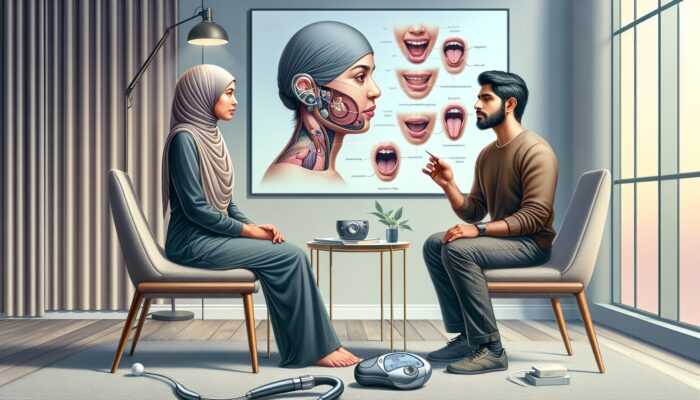
Categories
Ear Care Health & Wellness

Blood Flow and Ear Health: Key Factors Explained

Last Updated on 04/02/2026 by Admin

Discover the Essential Role of Blood Flow for Maintaining Optimal Ear Health

Explore How Improved Circulation Boosts Ear Functionality

The intricate connection between blood flow and ear health is fundamental and demands attention. Adequate blood circulation ensures the delivery of vital oxygen and nutrients to the delicate tissues in the ear, which is crucial for their functionality and overall well-being. Sustaining healthy ear tissues is essential to prevent damage and lower the likelihood of hearing loss. When blood flow is obstructed, the cells in the inner ear, particularly sensitive to oxygen deficiency, suffer the most. These cells rely on a consistent nutrient supply to operate effectively. This understanding highlights the importance of daily care practices that focus on enhancing circulation, such as engaging in regular exercise and adhering to a balanced diet rich in vitamins and minerals.

Moreover, the ear’s anatomical configuration, comprising the outer, middle, and inner ear, requires a continuous blood supply to function correctly. For instance, the cochlea within the inner ear plays a pivotal role in converting sound vibrations into neural signals. Its sensory cells, known as hair cells, depend heavily on robust blood flow for their survival and optimal performance. Should this blood supply falter, these cells may weaken and eventually die, resulting in irreversible hearing impairment. Therefore, acknowledging the influence of blood flow on ear health is a crucial step towards promoting auditory wellness and averting potential complications.

What Factors Influence Blood Supply to the Ears?

Several significant factors determine the effectiveness of blood reaching the ears, which has a profound effect on overall auditory well-being. First and foremost, the state of the blood vessels is of utmost importance. Conditions such as hypertension or atherosclerosis can significantly impede the functionality of these vessels, thereby reducing blood flow to the ear tissues. Additionally, the overall performance of the body’s circulation is crucial; if the cardiovascular system is compromised, it can lead to diminished blood supply in peripheral areas, including the ears.

Lifestyle choices have a significant impact on circulation. For instance, sedentary behaviour can lead to poor blood flow, whereas consistent physical activity promotes healthy circulation. A diet rich in antioxidants and omega-3 fatty acids can help sustain vascular health, ensuring that blood vessels remain flexible and unobstructed. Furthermore, external factors such as environmental stressors can trigger blood vessel constriction, further complicating blood flow to the ears. Regularly monitoring these factors and adopting a proactive approach to ear health can significantly aid in preventing future complications and preserving auditory function.

How Does Blood Flow Improve Hearing Capabilities?

Blood flow serves as a vital lifeline for the structures within the ear, nourishing them and ensuring their effective functioning. The complex network of blood vessels in the ears is responsible for delivering the oxygen and nutrients necessary for sensory cells to operate at their best. Inadequate blood circulation can lead to weakening of these cells, which may result in potential auditory problems and a diminished quality of life.

Key elements of circulation essential for ear health include:

  • Oxygen delivery: Critical for cellular respiration and energy production.
  • Nutrient transport: Provides vital substances like vitamins and minerals necessary for cellular health.
  • Waste removal: Eliminates metabolic byproducts that can accumulate and cause damage.
  • Hormonal balance: Distributes hormones that regulate growth and repair processes in ear tissues.
  • Inflammatory response: Transports immune cells to combat infections that can impact hearing.
  • Temperature regulation: Maintains optimal conditions for cellular functions.

This intricate interplay of functions underscores the necessity of maintaining healthy blood flow to ensure the auditory system operates smoothly and efficiently. When blood circulation is compromised, it can initiate a cascade of issues that profoundly impact hearing capabilities.

Expert Insights on the Importance of Blood Flow for Ear Health

Crucial Mechanisms Behind Ear Circulation

The mechanics of blood flow in the ear involve a sophisticated network of vessels specifically designed to support hearing. Experts highlight that this network not only delivers essential nutrients but also plays a vital role in maintaining balance and facilitating sound processing. Disruptions in blood flow can impair these critical functions, making it imperative to implement proactive health strategies to protect ear health.

Actionable steps based on clinical observations include engaging in regular cardiovascular exercise, which has been shown to improve overall blood circulation. Additionally, adopting a diet rich in vitamins C and E can enhance vessel health, promoting better blood flow. Practices such as tai chi and yoga, which emphasise body awareness and controlled movements, also contribute positively to circulation, particularly in the head and neck regions. Regular health check-ups that include monitoring blood pressure and cholesterol levels can help identify potential circulatory issues before they escalate. By recognising the signs of compromised circulation and implementing these strategies, individuals can take charge of their ear health and prevent future problems.

What Symptoms Indicate Compromised Blood Flow?

Reduced blood flow to the ears can manifest through various symptoms that require immediate attention. Common indicators include persistent tinnitus, often described as a ringing or buzzing sound in the ears, along with episodes of dizziness or feelings of imbalance. Research indicates that these symptoms are directly linked to decreased blood supply, underscoring the importance of early detection in preserving auditory health.

Early identification of compromised blood flow can guide timely interventions, which are crucial for maintaining ear health. Individuals should remain vigilant for warning signs such as:

  • Persistent ringing: A continuous sound that is not caused by external noise.
  • Muffled hearing: Difficulty in hearing conversations or sounds clearly.
  • Frequent dizziness: Unexplained feelings of unsteadiness or lightheadedness.
  • Pressure in the ears: A sensation of fullness or discomfort that is not related to allergies.

Recognising these symptoms early can lead to interventions that may involve lifestyle changes, medical evaluations, and treatments designed to restore adequate blood flow, ultimately protecting auditory health.

Advanced Effects of Circulation on Ear Health

The dynamics of blood flow significantly affect the health of ear structures, with experts emphasising the importance of maintaining steady circulation. Research suggests that imbalances in blood flow can exacerbate conditions such as hearing loss or chronic ear infections. When circulation is disrupted, tissue damage may occur, increasing vulnerability to infections and impairing the ear’s ability to process sound effectively.

Long-term imbalances in blood flow could potentially lead to irreversible damage if not addressed. Therefore, regular assessments of circulatory health are recommended for sustained ear well-being. This may include routine visits to healthcare professionals who can evaluate vascular health and provide guidance on managing risk factors. An integrative approach that combines lifestyle modifications, such as improving diet, increasing physical activity, and managing stress, is essential for fostering optimal blood flow. This proactive stance not only contributes to better ear health but enhances overall wellness, underscoring the interconnectedness of bodily systems.

What Impact Does Blood Flow Have on Ear Health?

Understanding the Link Between Blood Flow and Auditory Issues

Blood flow plays a crucial role in ear health by supplying vital nutrients necessary for maintaining optimal auditory function. Diminished blood flow can lead to inflammation or infections, which can hinder hearing capabilities. Understanding this connection is essential for implementing preventive measures against common auditory issues, especially as individuals age.

An unhealthy circulatory system can elevate the risk of developing auditory conditions such as presbycusis, age-related hearing loss, and even sensorineural hearing loss resulting from damage to the inner ear. This relationship highlights the significance of maintaining good circulation to avert issues related to hearing. By prioritising cardiovascular health through lifestyle changes—such as a balanced diet rich in antioxidants, regular physical activity, and effective stress management—individuals can significantly enhance their auditory health and overall well-being.

What Factors Disrupt Ear Circulation?

Multiple factors can disrupt blood flow to the ears, greatly impacting auditory function. Lifestyle choices play a pivotal role; smoking, excessive alcohol consumption, and high-fat diets can lead to deterioration of vascular health. These habits contribute to conditions like atherosclerosis, where arteries narrow due to plaque accumulation, reducing blood flow.

Beyond lifestyle, other contributing factors include sedentary behaviour, which hampers circulation, and chronic conditions such as diabetes and hypertension. Identifying these disruptors is vital to adopting habits that promote better circulation and long-term ear protection. Simple changes, such as quitting smoking, moderating alcohol intake, and integrating regular physical activity into daily life, can markedly improve blood flow. Furthermore, ensuring consistent hydration and consuming foods rich in omega-3 fatty acids can help maintain vascular health, ultimately benefiting ear function.

What Are the Benefits of Enhanced Blood Flow?

The enhancement of blood flow supports ear resilience, thereby reducing the risk of developing auditory disorders while simultaneously improving sound perception. Improved circulation ensures that ear tissues receive adequate nutrients and oxygen, both essential for their longevity. It also plays a critical role in maintaining balance, which is closely linked to auditory health.

Increased blood flow provides numerous advantages, including:

  • Enhanced nutrient delivery: Vital substances reach ear tissues more effectively.
  • Improved detoxification: Waste products are efficiently removed, reducing inflammation.
  • Stronger immune response: Better circulation bolsters the body’s defence against infections.
  • Heightened auditory sensitivity: Improved blood flow can enhance the ear’s capacity to perceive sound.

These benefits underline the necessity of maintaining healthy blood circulation to ensure that the auditory system functions optimally throughout one’s life. Simple lifestyle adjustments can create a significant, positive impact on ear health, fostering better hearing capabilities and overall auditory wellness.

Effective Strategies to Enhance Blood Flow for Ear Health

Adopting healthy habits can significantly enhance blood flow to the ears, aiding in the prevention of hearing impairments and promoting long-term auditory well-being. Regular physical activity, such as walking, swimming, or cycling, serves as a vital strategy. These activities boost cardiovascular health, which directly translates into improved circulation to the ear structures.

Additionally, a nutrient-rich diet is crucial for supporting blood flow. Foods high in antioxidants, such as berries, leafy greens, and nuts, help maintain vascular integrity. Incorporating omega-3 fatty acids from sources like fish and flaxseeds is also beneficial, as these fats promote healthy blood circulation. Stress management techniques, such as mindfulness, yoga, or meditation, can further enhance blood flow by alleviating tension and improving overall vascular health.

Hydration is another critical factor. Maintaining proper fluid balance ensures that blood viscosity remains optimal, facilitating efficient flow to ear tissues. It can also help prevent complications associated with dehydration, which can negatively affect auditory health. By integrating these strategies into daily life, individuals can support their ear health and enhance their auditory experiences over time.

Research-Backed Insights on Hearing and Circulation

What Does Research Indicate About Blood Flow and Ear Health?

A growing body of research indicates that optimal blood flow is essential for preventing hearing loss. Studies demonstrate that consistent and adequate circulation protects the inner ear components from oxygen deprivation, thereby maintaining their functionality. High-quality blood circulation has been linked to better auditory preservation across diverse demographics, reinforcing the significance of this relationship.

The implications of these findings underscore the necessity to prioritise circulatory health as a fundamental aspect of ear care. Regular check-ups and monitoring cardiovascular status can yield significant benefits. When blood flow is compromised, it can lead to various auditory problems, making proactive measures critical. This proactive approach not only aids in preserving hearing but also enhances overall quality of life through improved auditory experiences.

What Are the Long-Term Impacts of Blood Flow Deficiencies on Hearing?

Inadequate blood flow over time can result in chronic ear conditions, affecting sound processing and potentially causing irreversible damage if left untreated. Research indicates that chronic deficiencies in circulation can lead to a range of auditory complications, including permanent hearing loss, tinnitus, and balance disorders.

The long-term effects of poor circulation highlight the necessity for early intervention. Individuals experiencing symptoms indicative of compromised blood flow should seek medical advice promptly. Implementing lifestyle changes, such as dietary modifications and increased physical activity, can significantly improve blood flow and prevent the onset of chronic conditions. Regular monitoring and proactive actions can safeguard ear health, ensuring that auditory functions remain intact throughout one’s life.

How Does Poor Circulation Cause Ear Damage?

Issues with blood flow may lead to tissue damage within the ears, primarily by restricting nutrient delivery and increasing vulnerability to infections or sensory loss over time. When blood circulation is inadequate, ear tissues fail to receive the necessary oxygen and nutrients. This deprivation can result in cellular damage, inflammation, and ultimately, the deterioration of auditory functions.

Research highlights that compromised blood flow can lead to conditions such as postural instability, making individuals more susceptible to falls and other accidents. The risk of developing chronic ear infections also increases, as the immune response weakens when blood flow is insufficient. Over time, these issues may culminate in irreversible damage to hearing structures, making it critical to address any circulatory concerns without delay. By maintaining healthy blood flow through lifestyle choices and regular health check-ups, individuals can effectively protect their ear health and mitigate the risks associated with poor circulation.

What Risks Are Associated with Poor Blood Flow?

Identifying Potential Complications for Ear Health

Poor blood flow significantly raises the risks of infections and hearing impairments by depriving ear tissues of essential oxygen. This deprivation can escalate into more severe auditory issues, including chronic conditions that adversely affect hearing capabilities. Inadequate circulation may also lead to increased susceptibility to infections, as the immune response becomes compromised.

The consequences of poor blood flow extend beyond auditory complications. Individuals may experience balance problems, resulting in a heightened risk of falls and injuries. Coupled with these risks, chronic stress associated with auditory dysfunction can lead to further circulatory problems, creating a vicious cycle. Prioritising proper blood circulation is essential for safeguarding ear health and preventing these complications.

Why Is It Important to Monitor Circulation in the Ears?

Monitoring blood flow to the ears is crucial for identifying early signs of potential problems, which can prevent further deterioration. Given that circulation directly affects auditory health, tracking changes can help individuals seek timely medical intervention. Regular checks can provide insights into the vascular health that supports ear function.

Understanding how blood flow influences ear health allows for proactive management of any emerging issues. Identifying symptoms early—such as ringing in the ears or dizziness—can guide individuals in taking necessary actions, whether lifestyle changes or consulting healthcare professionals. By prioritising circulation monitoring, individuals can maintain their auditory health and enhance their quality of life.

What Symptoms Are Linked to Reduced Blood Flow?

Common signs of reduced blood flow to the ears include persistent ringing or muffled sounds, indicating flow problems that could worsen without intervention. Recognising these symptoms is crucial for maintaining auditory function and preventing potential complications. Individuals should be alert to other warning indicators, including:

  • Frequent episodes of dizziness: Unexplained lightheadedness or imbalance.
  • Pressure sensation: A feeling of fullness in the ears that isn’t allergy-related.
  • Increased sensitivity to sound: Difficulty tolerating loud noises.
  • Changes in hearing clarity: Difficulty understanding speech or everyday sounds.

These symptoms serve as important signals that blood flow may be compromised. Taking action upon noticing these signs can lead to earlier interventions, preserving ear health and preventing further auditory decline.

Strategies for Maintaining Healthy Blood Flow to the Ears

Daily Habits to Enhance Circulation

Implementing simple daily habits can significantly boost blood flow to the ears, thereby supporting their health and reducing the likelihood of related disorders. Regular exercise stands out as one of the most effective methods to enhance circulation. Activities such as walking, jogging, or swimming stimulate the cardiovascular system, ensuring that blood flows freely to all body parts, including the ears.

In addition to physical activity, maintaining a balanced diet is crucial. Foods rich in vitamins C and E, such as citrus fruits and nuts, promote healthy blood vessels. Staying well-hydrated also supports optimal blood viscosity, facilitating efficient circulation to ear tissues. Incorporating relaxation techniques, such as deep breathing or yoga, can help reduce stress levels that may constrict blood vessels, thereby enhancing overall circulation. By consistently practising these habits, individuals can foster better ear health and enhance their auditory experiences.

What Nutritional Support Can Enhance Ear Blood Flow?

Certain nutrients can significantly improve blood delivery to the ears, aiding in the prevention of circulatory issues and promoting stronger auditory function over time. Nutritional choices play a pivotal role in maintaining vascular health. A diet rich in antioxidants helps protect blood vessels from oxidative stress, which can impede blood flow. Incorporating foods like berries, spinach, and whole grains offers substantial benefits.

Omega-3 fatty acids are another vital component. Found in fish such as salmon or plant sources like flaxseeds, they enhance vascular health and improve overall circulation. Magnesium, present in leafy greens and nuts, supports healthy blood pressure levels, further promoting effective circulation. Additionally, maintaining a diet low in saturated fats and sugars can prevent plaque buildup in arteries that could obstruct blood flow. By prioritising these nutritional components, individuals can enhance their ear health through improved blood flow, promoting longevity and auditory strength.

How Does Hydration Contribute to Ear Health?

Hydration plays a critical role in maintaining blood viscosity, ensuring efficient flow to ear tissues. When the body is well-hydrated, blood remains fluid and can move through vessels effectively, delivering oxygen and nutrients to the ears. Dehydration can lead to thicker blood, which may impede circulation and contribute to complications in auditory health.

Moreover, proper hydration helps regulate body temperature and supports various metabolic processes essential for ear function. Drinking adequate amounts of water throughout the day, particularly in warmer climates or during physical activity, is crucial for maintaining optimal blood flow. This simple yet effective strategy can prevent complications associated with dehydration, enhancing auditory health and overall well-being.

How Can Relaxation Techniques Improve Blood Flow?

Incorporating relaxation techniques, such as deep breathing or meditation, can profoundly influence blood flow to the ears. Stress is known to constrict blood vessels, diminishing circulation and potentially affecting auditory health. By practising mindfulness and relaxation, individuals can reduce stress levels, promoting better blood flow and overall ear health.

Techniques such as yoga and tai chi not only enhance physical well-being but also foster mental calmness, positively impacting circulatory health. Regular relaxation practices improve vascular function, contributing to better nutrient delivery and oxygenation of ear tissues. Committing to these techniques can significantly reduce the risk of disorders related to poor circulation and promote better hearing capabilities over time.

Why Is Circulation Essential for Optimal Auditory Function?

Understanding the Science Behind Blood Flow and Hearing

Circulation is vital for auditory function as it transports oxygen to ear cells, enabling clear sound transmission and preventing functional declines. The delicate structures of the ear, particularly the inner ear, depend on a consistent blood supply to maintain their integrity and responsiveness to sound stimuli. Disruption in blood flow can lead to a range of auditory issues, including diminished hearing sensitivity and increased susceptibility to infections.

The auditory system requires a constant supply of nutrients, which relies heavily on efficient circulation. Without adequate blood flow, ear cells can suffer damage, leading to irreversible hearing loss over time. Understanding this link between circulation and auditory function emphasises the necessity of maintaining vascular health as a foundational aspect of ear care.

How Does Blood Flow Affect Sound Processing?

Adequate circulation enhances the ear’s ability to process sounds by keeping sensory pathways active and responsive to external stimuli. The ear’s intricate structure, including the cochlea and auditory nerve, relies on a consistent supply of oxygen and nutrients to function optimally. When blood flow is compromised, the efficiency of sound processing diminishes, leading to challenges in hearing clarity and balance.

Furthermore, the inner ear’s sensory cells are particularly vulnerable to oxidative stress due to inadequate blood supply. This vulnerability can lead to conditions such as tinnitus and auditory processing disorders. Maintaining healthy blood circulation is paramount for preserving auditory function, as it directly impacts the ear’s ability to interpret and respond to sound. Therefore, prioritising vascular health through lifestyle choices is crucial for sustaining auditory performance.

What Risks Arise from Neglecting Circulatory Health?

Neglecting circulatory health can lead to auditory dysfunction, where poor circulation impairs the ear’s response to sounds, potentially causing long-term hearing challenges. Individuals may experience increased episodes of tinnitus, decreased sensitivity to sounds, and balance issues. Chronic neglect of blood flow can result in irreversible damage to the inner ear structures, exacerbating hearing loss.

The risks associated with poor circulation extend beyond auditory issues; they can impact overall quality of life, affecting social interactions and mental well-being. Recognising these risks and taking proactive steps to prioritise circulatory health is essential. Regular monitoring, combined with lifestyle changes aimed at improving blood flow, can significantly enhance both auditory function and overall health.

What Techniques Can Improve Blood Flow?

Effective Strategies for Enhancing Circulation

Several effective techniques can promote better circulation to the ears, helping to mitigate risks and enhance overall auditory health. Engaging in regular physical activity is paramount. Aerobic exercises like walking, running, and swimming boost heart rate, improving blood flow throughout the body, including the ears.

Incorporating stretching and flexibility exercises can also promote circulation by relieving muscle tension and improving blood flow to various body regions. Techniques such as massage therapy can enhance local circulation, particularly in the neck and jaw areas, which are closely linked to ear function.

Mindfulness practices, including deep breathing exercises, can help reduce stress levels and promote vascular health. By cultivating relaxation and reducing tension, individuals can improve their blood flow and support auditory health. Combining these techniques into a daily routine can yield significant benefits for ear health and overall well-being.

What Lifestyle Changes Support Ear Health?

Adopting healthier lifestyle habits can optimise blood flow, reducing strain on ear vessels and fostering resilience against potential health issues. Avoiding tobacco products is crucial, as smoking is known to damage blood vessels, impairing circulation. Limiting alcohol consumption is also essential, as excessive intake can lead to dehydration and negatively affect blood flow.

Incorporating a nutrient-rich diet, including fruits, vegetables, whole grains, and healthy fats, can significantly improve vascular health. Staying hydrated is equally important; drinking sufficient water can enhance blood flow and support overall circulation. Regularly monitoring blood pressure and managing stress through relaxation techniques further contributes to healthy circulation.

These lifestyle changes not only promote better blood flow but also enhance overall health, leading to improved auditory function and quality of life.

How Can Exercise Benefit Blood Flow to the Ears?

Physical activities are instrumental in improving circulation by increasing blood delivery to the ears, which supports hearing maintenance and prevents associated problems from developing. Aerobic exercises, such as brisk walking or cycling, significantly enhance cardiovascular health, promoting better blood flow to all body parts, including the ears.

Strength training can also contribute to improved circulation by enhancing muscle strength and efficiency, enabling the body to pump blood more effectively. Flexibility exercises, such as yoga or stretching, promote relaxation and reduce muscle tension, thereby facilitating better blood flow.

Moreover, specific head and neck exercises can directly benefit ear circulation. Simple movements that encourage blood flow in these areas can enhance nutrient delivery to ear tissues, fostering better auditory health. By incorporating a regular exercise routine into daily life, individuals can significantly improve their ear health and prolong their hearing abilities.

What Are the Long-Term Effects of Poor Blood Flow on Ear Health?

Chronic Issues Arising from Sustained Poor Circulation

Ongoing flow problems can result in permanent ear damage, affecting hearing quality and necessitating ongoing management strategies. Chronic conditions such as hearing loss, tinnitus, and balance disorders can arise from sustained inadequate circulation. Over time, the lack of proper blood flow can lead to irreversible damage to the delicate structures within the ear, compromising their functionality.

Individuals experiencing chronic circulatory issues should not underestimate the importance of timely intervention. Seeking professional advice and implementing effective lifestyle changes can greatly enhance blood flow and prevent future complications. Regular health check-ups are essential for monitoring circulatory health and ensuring sustained ear well-being.

What Preventive Measures Can Ensure Future Ear Health?

Proactive steps can safeguard ear health by maintaining steady circulation, thus minimising the chances of long-term auditory complications. Regular physical activity, a balanced diet, and effective stress management are foundational strategies for promoting optimal blood flow. Engaging in activities that enhance cardiovascular health plays a vital role in preventing circulatory issues that may affect ear function.

Monitoring blood pressure and cholesterol levels can help identify potential circulatory problems before they escalate. By prioritising these preventive measures, individuals can take control of their ear health and significantly reduce the risk of developing chronic auditory conditions.

What Positive Outcomes Result from Healthy Circulation?

Sustained blood flow leads to enhanced ear longevity, with improved hearing and reduced risks of disorders. Good circulation ensures that the auditory system receives the necessary nutrients and oxygen, which are essential for maintaining its integrity and functionality. Individuals who prioritise circulatory health often experience enhanced auditory clarity, reduced susceptibility to infections, and an overall improved quality of life.

Consistently promoting healthy blood flow can contribute to better hearing capabilities throughout life and mitigate the impact of age-related hearing decline. The benefits of maintaining strong circulation extend beyond auditory health, fostering overall wellness and vitality. By adopting healthy habits that promote good circulation, individuals can enhance their ear health and enjoy a lifetime of vibrant auditory experiences.

Frequently Asked Questions

What Role Does Blood Flow Play in Ear Health?

Blood flow delivers essential oxygen and nutrients to ear tissues, which are vital for their function and overall health. Compromised circulation can lead to auditory issues and increased susceptibility to infections.

How Can I Improve Blood Circulation to My Ears?

Regular exercise, a nutrient-rich diet, adequate hydration, and stress management techniques can significantly enhance blood circulation to the ears.

What Are Common Symptoms of Poor Ear Circulation?

Common symptoms include persistent tinnitus, dizziness, muffled hearing, and a sensation of pressure in the ears. Early detection is crucial for timely intervention.

Can Poor Circulation Lead to Hearing Loss?

Yes, inadequate blood flow can damage the inner ear structures, leading to permanent hearing loss and other auditory complications if not addressed promptly.

What Lifestyle Changes Can Support Ear Health?

Adopting a balanced diet, engaging in regular physical activity, avoiding tobacco and excessive alcohol, and managing stress can support ear health and improve blood circulation.

How Does Hydration Affect Ear Health?

Proper hydration maintains blood viscosity, facilitating efficient circulation to ear tissues. Dehydration can impede blood flow and negatively impact auditory health.

What Are the Long-Term Effects of Poor Ear Circulation?

Chronic issues from sustained poor circulation can lead to permanent ear damage, affecting hearing quality and necessitating ongoing management strategies to maintain auditory health.

Are There Exercises Specifically for Improving Ear Circulation?

Yes, aerobic exercise, strength training, and flexibility exercises, particularly those focusing on the head and neck, can be beneficial for enhancing ear circulation.

Why Is Monitoring Circulation Important for Ear Health?

Monitoring circulation helps identify early signs of potential problems, allowing for timely interventions that can preserve ear health and improve overall well-being.

What Outcomes Can I Expect from Good Blood Circulation?

Good blood circulation leads to better ear longevity, improved hearing capabilities, and reduced risks of auditory disorders, contributing to overall health and quality of life.

Join us on X for exclusive updates!

The post Blood Flow and Ear Health: Essential Factors to Understand appeared first on The Microsuction Ear Wax Removal Network.
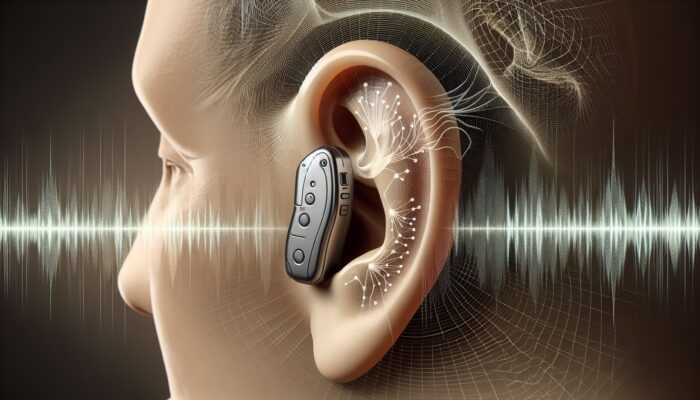
The post Blood Flow and Ear Health: Essential Factors to Understand appeared first on Healthcare Marketing Service.

Categories
Ear Care Health & Wellness

Ear Health’s Influence on Migraine Sufferers

Last Updated on 03/02/2026 by Admin

Understanding the Critical Link Between Ear Health and Holistic Well-Being

What Functions Do Ear Structures Serve in Supporting Health?

The intricate anatomy of the ear plays a pivotal role in supporting overall health, predominantly owing to its crucial connections with neurological functions across the body. Within the inner ear, essential structures like the cochlea and the vestibular system are vital for maintaining balance and regulating pressure. These components not only facilitate hearing but also have a profound impact on how the brain interprets sensory information. A decline in ear health may disrupt these processes, potentially exacerbating migraine patterns. Such disturbances may lead to altered responses from the nervous system to various stimuli, thereby worsening migraine symptoms in susceptible individuals.

Therefore, prioritising ear health is essential for a well-functioning auditory system and its interconnected neurological pathways. Engaging in regular check-ups and implementing preventive strategies can effectively address potential issues before they escalate, ensuring that the connections between ear health and migraine occurrences remain efficient and functional.

What Key Factors Contribute to the Relationship Between Ear Issues and Headaches?

Several factors contribute to the association between ear-related issues and the onset of headaches and migraines. Recognising these connections can be crucial in effectively managing migraine symptoms. Here are the significant factors to consider:

  • Inflammation within the ear can lead to alterations in blood flow.
  • A disturbance in balance mechanisms may result in dizziness, further complicating migraine experiences.
  • Pressure fluctuations within the ear affect nerve signalling.
  • Auditory stress can enhance sensitivity to pain.
  • Acoustic trauma might trigger migraine episodes.

Each of these elements plays a significant role in the complex relationship between ear health and headaches. For example, inflammation in the ear can result in altered blood flow, potentially intensifying both the frequency and severity of migraines. By understanding these factors, individuals can adopt proactive measures to protect their ear health, thus reducing the likelihood of experiencing migraines.

What Everyday Ear-Related Triggers Contribute to Discomfort and Pain?

Various daily habits can aggravate migraine episodes by adversely affecting ear health. For instance, exposure to loud noises can impose considerable stress on the auditory system, leading to increased discomfort and irritation. This highlights the necessity for protective measures in everyday life. The following practices can significantly reduce potential triggers:

  • Using earplugs in noisy environments.
  • Minimising prolonged exposure to high-decibel sounds.
  • Taking regular breaks from headphones or earbuds.
  • Practising good ear hygiene.
  • Ensuring adequate hydration to support ear function.

By identifying these common triggers, individuals can make informed decisions that enhance their overall ear health and, in turn, help diminish migraine episodes.

How Does Ear Health Impact the Frequency of Migraines?

What Impact Do Ear Infections Have on Pain Levels?

Ear infections can lead to significant increases in pain levels for individuals predisposed to migraines. The inflammation linked to these infections often results in heightened sensitivity, which is directly related to the severity of migraine experiences. When the auditory pathways become inflamed, they can either trigger or worsen existing migraine symptoms.

The importance of prompt intervention cannot be overstated. Early treatment of ear infections not only alleviates discomfort but also plays a critical role in preventing the escalation of migraine symptoms. Individuals who frequently experience migraines should closely monitor their ear health and engage in preventive care, as these actions can greatly influence their overall quality of life.

What Symptoms Indicate That Ear Conditions Are Worsening Headaches?

Certain symptoms may signal that ear conditions are deteriorating and potentially amplifying headache intensity. Persistent ringing in the ears, known as tinnitus, can indicate a deeper connection to migraine issues. Other warning signs include increased sensitivity to sound and episodes of dizziness.

Awareness of these symptoms is crucial for proactively managing ear health and its connection to migraines. By tracking these indicators, individuals can seek timely medical intervention and implement strategies to reduce the impact of ear health on migraine occurrences.

What Effective Strategies Can Help Track Ear-Related Migraine Patterns?

Monitoring ear health can unveil valuable patterns regarding migraine occurrences, empowering individuals to take charge of their well-being. Keeping a symptom diary is an effective approach that can highlight how fluctuations in ear health directly influence migraine frequency.

Documenting instances of ear discomfort, changes in hearing, and episodes of migraines can provide insightful data over time. This practice encourages individuals to become more attuned to their bodies, leading to improved outcomes and fruitful discussions with healthcare professionals.

Insights from Experts on the Connection Between Ear Health and Migraines

What Practical Steps Can Be Implemented for Ear Care to Prevent Migraines?

Expert analysis suggests that integrating specific ear care routines into daily life can significantly mitigate the risks associated with migraines. Basic hygiene practices are essential, such as keeping the ears clean, limiting exposure to loud environments, and ensuring proper hydration.

Real-world examples demonstrate the efficacy of these behaviours. For instance, consistently using earplugs during concerts or in noisy settings can safeguard against auditory stress, thereby diminishing the likelihood of triggering a migraine. Many individuals who adopt these self-care measures often report experiencing fewer headaches and an improved overall sense of well-being.

What Research Findings Illuminate the Relationship Between Ear Anatomy and Headaches?

Recent studies have shed light on how the anatomical structures of the ear influence migraine pathways. Research suggests that specific components of the inner ear play a role in modulating pain signals. Understanding these connections enables individuals to incorporate these findings into their care strategies.

Actionable steps derived from this research include techniques such as vestibular rehabilitation, which can enhance balance and auditory processing. Collaborating with healthcare providers to explore targeted therapies based on individual needs can further optimise migraine management.

What Long-Term Benefits Are Associated with Addressing Ear Health Issues?

Addressing ear health concerns can yield marked long-term advantages, particularly for individuals who suffer from migraines. Expert insights indicate that consistently treating ear conditions can alleviate the overall migraine burden.

Real-world experiences underscore that individuals who engage in regular ear care routines frequently experience sustained relief. This highlights the profound impact that proactive measures can have on improving quality of life.

What Advantages Come from Enhanced Ear Management for Migraines?

How Can Improving Ear Health Reduce the Frequency of Migraine Episodes?

Enhancing ear health can directly lead to a reduction in the frequency of migraine episodes. Targeted exercises and regular care can relieve pressure on associated nerves, promoting overall well-being. When ear structures function optimally, they can significantly influence pain thresholds and responses.

Individuals who dedicate time to ear health practices often find that their migraine experiences become less frequent and less intense, allowing for a more balanced and enjoyable life.

What Daily Practices Promote Ear Wellness and Alleviate Headaches?

Incorporating daily practices that focus on ear wellness can effectively support headache relief. Simple actions, such as ensuring adequate rest, practising relaxation techniques, and maintaining ear hygiene, can stabilise sensory functions, which is vital for migraine sufferers.

  • Engaging in regular, gentle ear exercises.
  • Limiting caffeine and alcohol consumption.
  • Implementing stress reduction techniques.
  • Using humidifiers to maintain moisture in the environment.
  • Practising mindfulness and meditation for overall mental health.

By adopting these practices, individuals can create a supportive environment for their ear health, ultimately benefiting their migraine management efforts.

What Are the Results of Integrating Ear-Focused Routines?

Integrating ear-focused routines into daily life can lead to fewer migraines by tackling the underlying factors related to ear health. This holistic approach nurtures a balanced state, conducive to reducing stress and discomfort.

Individuals who embrace these comprehensive routines frequently report an overall improvement in their well-being, illustrating the interconnectedness of ear health and migraine frequency.

How Does Better Ear Management Enhance Overall Hearing Quality?

Implementing improved ear management techniques can substantially enhance overall hearing quality. Enhanced ear care sharpens hearing abilities, diminishes background noise interference, and boosts sound clarity. These improvements lead to better communication and a more enjoyable sensory experience in daily activities, such as listening to music or engaging in conversations.

Investing in ear health not only supports migraine management but also enriches everyday sensory experiences, highlighting the importance of proactive ear care.

What Role Does Ear Health Have in Preventing Related Health Issues?

Maintaining optimal ear health is crucial for preventing infections and balance disorders. This proactive approach can reduce the likelihood of associated complications, such as vertigo or tinnitus, which may indirectly alleviate migraine triggers.

By promoting sustained physical comfort through effective ear health management, individuals can enhance their overall well-being and simplify the complexities associated with managing migraines.

What Research-Backed Benefits Are Linked to the Relationship Between Ear Health and Migraines?

What Evidence Supports the Connection Between Ear Treatments and Migraine Reduction?

Research indicates a strong correlation between ear treatments and the decrease of migraine incidents. Targeting inflammation through specific therapies has shown positive outcomes, providing expert insights on how to apply these findings effectively.

Individuals who pursue professional ear treatment may observe a noticeable reduction in the frequency of migraines, underscoring the importance of comprehensively addressing ear health.

Why Do Certain Ear Conditions Worsen Headaches?

Certain ear conditions can exacerbate headaches due to their impact on balance and auditory perception. Research-backed insights reveal that untreated issues, such as chronic infections or Eustachian tube dysfunction, can intensify migraine experiences.

Understanding these dynamics provides reliable strategies for mitigation, encouraging individuals to prioritise ear health within their overall wellness routines.

What Long-Term Effects Can Be Expected from Improving Ear Health?

Consistently engaging in ear health care can significantly reduce migraine occurrences. Real-world examples highlight various approaches, such as regular check-ups and ongoing monitoring, which contribute to sustained improvements in well-being.

Individuals who commit to ongoing ear health often report a more stable and comfortable life, emphasising the importance of these efforts.

How Can Ear Acupuncture Assist in Managing Chronic Migraines?

Ear acupuncture has emerged as an effective approach for managing chronic migraine symptoms. Studies indicate that stimulating specific points in the ear can alleviate both pain intensity and frequency over time.

Research from various trials reveals promising results, supported by practitioner insights, suggesting that this alternative method can serve as a valuable addition to traditional migraine management strategies.

What Preventive Ear Care Strategies Help Minimise Migraine Triggers?

Research-supported preventive ear care strategies, such as regular cleaning and monitoring, play a vital role in minimising migraine triggers. Early intervention and consistent ear care can address potential problems before they escalate, significantly contributing to effective migraine management.

Integrating guidelines from health organisations and real-life case studies can enhance the efficacy of these preventive measures, empowering individuals to take control of their ear health and migraine experiences.

Why Is Preventive Ear Care Crucial for Effective Migraine Management?

What Proactive Measures Can Address Ear-Related Migraines?

Proactive measures, such as the early detection of ear problems, are essential in preventing the escalation of migraine symptoms. By maintaining auditory health through regular check-ups and proper hygiene practices, individuals can substantially lower the incidence of migraines.

Taking proactive steps, such as seeking timely medical advice and implementing home care strategies, establishes a solid foundation for effectively managing potential triggers.

What Risks Are Associated with Neglecting Ear Health in Relation to Migraines?

Neglecting ear health can lead to chronic migraines through compounded effects on both auditory and neurological systems. Individuals who overlook ear-related issues may experience worsening symptoms over time, emphasising the importance of vigilance.

Adopting a proactive approach to ear health allows individuals to prevent cascading effects on their overall health, particularly concerning migraine management.

How Can Lifestyle Changes Promote Ear and Migraine Health?

Lifestyle modifications can greatly support both ear and migraine health. Prioritising ear well-being aids in preventing migraines and enhances overall quality of life.

Here is a comprehensive list of lifestyle changes to consider:

  • Incorporating regular exercise to improve circulation.
  • Increasing hydration to support ear function.
  • Practising stress management techniques consistently.
  • Avoiding smoking and excessive alcohol consumption.
  • Limiting exposure to allergens that may provoke ear issues.

By adopting these changes, individuals can create a supportive environment conducive to better ear health and effective migraine management.

What Role Does Professional Ear Care Play in Preventing Migraines?

Seeking timely advice from ear specialists can significantly enhance preventive measures against migraines. Professional care helps identify and address potential issues early, ensuring optimal ear function and minimising associated migraine triggers.

Collaboration with healthcare providers fosters a comprehensive approach to managing both ear health and migraines, ultimately improving patient outcomes.

What Effective Strategies Can Enhance Overall Well-Being?

How Can Integrated Approaches to Ear and Migraine Care Provide Benefits?

Combining ear maintenance with other health routines can deliver a holistic management strategy for migraines. This integrated approach promotes sustained health by addressing multiple facets of well-being that can influence migraine occurrences.

Individuals who adopt a comprehensive strategy often experience enhanced overall comfort, illustrating the interconnected nature of ear health and migraines.

What Are the Optimal Practices for Monitoring Progress in Ear-Related Symptoms?

Tracking changes in ear-related symptoms can refine strategies linked to migraines, allowing for effective adjustments over time. Maintaining a consistent record of symptoms encourages proactive management and facilitates productive discussions with healthcare providers.

Such monitoring enhances awareness and empowers individuals to take control of their health, ultimately leading to improved outcomes in managing migraines.

What Sustainable Habits Foster Long-Term Relief?

Establishing ongoing practices can minimise migraines influenced by ear health. Sustainable habits, such as regular self-examinations and preventive care, foster resilience and balance in individuals prone to migraines.

A commitment to these practices can result in significant improvements in both ear health and overall well-being.

Frequently Asked Questions Regarding Ear Health and Migraines

What Are the Primary Connections Between Ear Health and Migraines?

The primary connection lies in how ear issues, such as infections or inflammation, can affect nerve signalling and blood flow, exacerbating migraine symptoms.

Can Ear Infections Trigger Migraines?

Yes, ear infections can increase sensitivity, leading to heightened migraine intensity. Early treatment is vital in preventing escalation.

How Can I Monitor My Ear Health to Prevent Migraines?

Maintaining a symptom diary that tracks ear discomfort and migraine occurrences can provide valuable insights, aiding in managing both effectively.

What Daily Practices Support Ear Health?

Daily practices include maintaining ear hygiene, protecting ears from loud noises, staying hydrated, and practising stress management techniques.

How Does Ear Acupuncture Alleviate Migraines?

Ear acupuncture stimulates specific points to balance the body’s energy, which can reduce migraine frequency and intensity over time.

Are There Effective Lifestyle Changes for Migraine Prevention?

Yes, lifestyle changes such as regular exercise, hydration, and stress management can positively impact both ear health and migraine frequency.

What Should I Do If I Notice Ear-Related Symptoms Worsening?

Seek professional medical advice promptly to address underlying issues early and prevent further complications or migraine triggers.

Can Loud Sounds Affect My Migraines?

Absolutely. Loud sounds can stress the auditory system, potentially triggering or exacerbating migraine episodes. Protective measures are crucial.

How Does Hydration Impact Ear Health?

Staying hydrated helps maintain optimal ear function and supports overall auditory health, which is essential in managing migraines.

What Role Does Diet Play in Ear Health and Migraines?

A balanced diet rich in nutrients can support ear health and reduce inflammation, thus playing a key role in migraine prevention.

Explore Our World on X!

The post Ear Health and Its Impact on Migraines appeared first on The Microsuction Ear Wax Removal Network.

Categories
Ear Care Health & Wellness

Ear Health’s Influence on Migraines and Wellbeing

Last Updated on 03/02/2026 by Admin

Understanding the Vital Link Between Ear Health and Holistic Well-Being

What Functionality Do Ear Structures Serve in Promoting Good Health?

The intricate anatomy of the ear plays a pivotal role in maintaining overall health, primarily due to its crucial connections to various neurological functions across the body. Within the inner ear, essential structures such as the cochlea and the vestibular system are indispensable for preserving balance and managing pressure. These components not only facilitate hearing but also significantly influence the brain’s processing of sensory information. A decline in ear health can lead to disturbances in these vital functions, potentially disrupting migraine patterns. Such disturbances can prompt the nervous system to react more intensely to stimuli, thereby exacerbating migraine symptoms in those who are predisposed to them.

Therefore, prioritising ear health is crucial for ensuring a well-functioning auditory system and its related neurological pathways. Engaging in regular check-ups and adopting preventive strategies can effectively tackle issues before they escalate, thus ensuring that the connections between ear health and migraine experiences remain unobstructed and fully functional.

What Are the Primary Factors Linking Ear Issues to Headaches?

Several factors establish a connection between ear-related conditions and the onset of headaches and migraines. Recognising these connections is instrumental for effectively managing migraine symptoms. Here are the key factors to consider:

  • Inflammation in the ear can lead to alterations in blood flow.
  • Disruptions in balance mechanisms may result in dizziness, complicating migraine experiences.
  • Changes in pressure within the ear can affect nerve signalling.
  • Auditory stress can heighten sensitivity to pain.
  • Acoustic trauma can trigger episodes of migraines.

Each of these factors contributes to the complex relationship between ear health and headaches. For instance, inflammation in the ear may lead to altered blood flow, which can amplify the frequency and severity of migraines. By comprehending these factors, individuals can take proactive measures to protect their ear health, thereby reducing the likelihood of experiencing migraines.

What Everyday Ear-Related Triggers Cause Discomfort?

Numerous daily habits can aggravate migraine episodes by adversely affecting ear health. For instance, exposure to loud sounds can impose considerable stress on the auditory system, resulting in increased discomfort and irritation. This highlights the necessity for protective measures in everyday life. The following practices can effectively mitigate potential triggers:

  • Using earplugs in noisy environments.
  • Avoiding prolonged exposure to high-decibel sounds.
  • Taking regular breaks from headphones or earbuds.
  • Maintaining proper ear hygiene.
  • Staying adequately hydrated to support ear function.

By recognising these common triggers, individuals can make informed decisions that enhance their overall ear health and subsequently contribute to a reduction in migraine episodes.

How Does Ear Health Affect the Frequency of Migraines?

What Impact Do Ear Infections Have on Pain Levels?

Ear infections can lead to significant increases in pain levels for individuals predisposed to migraines. The inflammation associated with these infections often results in heightened sensitivity, which directly correlates with the intensity of migraine experiences. When the auditory pathways become inflamed, they can trigger or worsen existing migraine symptoms.

The importance of timely intervention cannot be overstated. Early treatment of ear infections not only alleviates discomfort but also plays a crucial role in preventing the escalation of migraine symptoms. Individuals who frequently experience migraines should closely monitor their ear health and engage in preventive care, as these actions can greatly enhance their overall quality of life.

What Indicators Suggest That Ear Conditions Are Aggravating Headaches?

Certain indicators may suggest that ear conditions are deteriorating and potentially intensifying headache severity. Persistent ringing in the ears, known as tinnitus, can signal a deeper connection to migraine issues. Other warning signs include increased sensitivity to sound and bouts of dizziness.

Being aware of these symptoms is essential for proactively overseeing ear health and its relationship with migraines. By monitoring these indicators, individuals can seek timely medical intervention and implement strategies to minimise the impact of ear health on migraine occurrences.

What Techniques Can Help Track Ear-Related Migraine Patterns?

Monitoring ear health can unveil valuable patterns concerning migraine occurrences, empowering individuals to take control of their well-being. Keeping a symptom diary serves as an effective strategy that can illuminate how variations in ear health directly influence migraine frequency.

Documenting instances of ear discomfort, changes in hearing, and migraine episodes can provide valuable insights over time. This practice encourages individuals to become more attuned to their bodies, leading to improved outcomes and informed discussions with healthcare professionals.

Professional Insights on the Relationship Between Ear Health and Migraines

What Practical Steps Can Be Taken to Care for Ears to Prevent Migraines?

Expert analysis indicates that incorporating specific ear care routines into daily life can significantly reduce the risks associated with migraines. Simple hygiene practices are essential, such as keeping the ears clean, limiting exposure to loud environments, and ensuring proper hydration.

Real-world examples illustrate the effectiveness of these habits. For instance, consistently using earplugs during concerts or in loud settings can help protect against auditory stress, thereby diminishing the likelihood of triggering a migraine. Many individuals who adopt these self-care measures often report experiencing fewer headaches and a heightened overall sense of well-being.

What Research Findings Highlight the Relationship Between Ear Anatomy and Headaches?

Recent studies have shed light on how the anatomical structures of the ear affect migraine pathways. Research indicates that specific components of the inner ear play a role in modulating pain signals. Understanding these connections enables individuals to incorporate these findings into their care strategies.

Actionable steps derived from this research include techniques such as vestibular rehabilitation, which can enhance balance and auditory processing. Collaborating with healthcare providers to explore targeted therapies based on individual needs can further optimise migraine management.

What Are the Long-Term Advantages of Addressing Ear Health Concerns?

Addressing ear health issues can provide substantial long-term benefits, especially for individuals who suffer from migraines. Expert insights suggest that consistently treating ear conditions can reduce the overall migraine burden.

Real-world examples highlight that individuals who engage in regular ear care routines frequently experience sustained relief. This underscores the profound impact that proactive measures can have on improving quality of life.

What Are the Advantages of Enhanced Ear Management for Migraines?

How Can Improved Ear Health Reduce the Frequency of Migraines?

Enhancing ear health can directly lead to a decrease in the frequency of migraine episodes. Targeted exercises and routine care can alleviate pressure on related nerves, resulting in enhanced overall well-being. When ear structures function optimally, they can significantly influence pain thresholds and responses.

Individuals who dedicate time to ear health practices often find that their migraine experiences become less frequent and less severe, paving the way for a more balanced and enjoyable life.

What Daily Practices Promote Ear Wellness and Alleviate Headaches?

Incorporating daily practices centred on ear wellness can effectively support headache relief. Simple activities, such as ensuring adequate rest, practising relaxation techniques, and maintaining ear hygiene, stabilise sensory functions, which is vital for migraine sufferers.

  • Engaging in regular, gentle ear exercises.
  • Limiting caffeine and alcohol consumption.
  • Implementing stress reduction techniques.
  • Utilising humidifiers to maintain moisture in the environment.
  • Practising mindfulness and meditation for overall mental health.

By adopting these practices, individuals can cultivate a supportive environment for their ear health, ultimately benefiting their migraine management efforts.

What Are the Results of Integrating Ear-Focused Routines?

Integrating ear-focused routines into daily life frequently leads to fewer migraines by addressing the underlying factors related to ear health. This holistic approach fosters a balanced state, conducive to reducing stress and discomfort.

Individuals who embrace these comprehensive routines often report an overall improvement in their well-being, demonstrating the interconnectedness of ear health and migraine frequency.

How Does Enhanced Ear Management Improve Overall Hearing Quality?

Implementing better ear management techniques can significantly enhance overall hearing quality. Improved ear care sharpens hearing abilities, reduces background noise interference, and enhances sound clarity. These advancements lead to better communication and a more enjoyable sensory experience in daily activities, such as listening to music or engaging in conversations.

Investing in ear health not only supports migraine management but also enriches everyday sensory experiences, emphasising the importance of proactive ear care.

What Importance Does Ear Health Have in Preventing Related Health Issues?

Maintaining optimal ear health is vital for preventing infections and balance disorders. This proactive approach can decrease the likelihood of associated problems, such as vertigo or tinnitus, which may indirectly alleviate migraine triggers.

By promoting sustained physical comfort through effective ear health management, individuals can enhance their overall well-being and reduce the complexities associated with managing migraines.

What Research-Supported Benefits Are Linked to the Connection Between Ear Health and Migraines?

What Evidence Establishes a Link Between Ear Treatments and Migraine Reduction?

Research evidence indicates a strong correlation between ear treatments and the reduction of migraine incidents. Targeting inflammation through specific therapies has demonstrated favourable outcomes, providing expert insights on how to apply these findings effectively.

Individuals pursuing professional ear treatment may experience a noticeable decrease in the frequency of migraines, highlighting the importance of addressing ear health comprehensively.

Why Do Certain Ear Conditions Exacerbate Headaches?

Certain ear conditions can aggravate headaches due to their effects on balance and auditory perception. Research-backed insights reveal that untreated issues, such as chronic infections or Eustachian tube dysfunction, can intensify migraine experiences.

Understanding these dynamics provides trusted strategies for mitigation, encouraging individuals to prioritise ear health in their overall wellness routines.

What Are the Long-Term Effects of Improving Ear Health?

Consistently engaging in ear health care can significantly reduce migraine occurrences. Real-world examples illustrate various approaches, such as regular check-ups and consistent monitoring, which contribute to sustained improvements in well-being.

Individuals committed to ongoing ear health often report a more stable and comfortable life, underscoring the importance of these efforts.

How Does Ear Acupuncture Assist in Managing Chronic Migraines?

Ear acupuncture has emerged as an effective technique for managing chronic migraine symptoms. Studies indicate that stimulating specific points in the ear can reduce both pain intensity and frequency over time.

Research from multiple trials presents promising results, supported by practitioner insights, suggesting that this alternative approach can serve as a valuable addition to traditional migraine management strategies.

What Preventive Ear Care Strategies Help Minimise Migraine Triggers?

Research-supported preventive ear care strategies, such as regular cleaning and monitoring, play a critical role in minimising migraine triggers. Early intervention and consistent ear care can tackle potential issues before they escalate, significantly contributing to effective migraine management.

Integrating guidelines from health organisations and real-life case studies can enhance the effectiveness of these preventive measures, empowering individuals to take control of their ear health and migraine experiences.

Why Is Preventive Ear Care Crucial for Migraine Management?

What Preventive Actions Can Help Address Ear-Related Migraines?

Preventive actions, such as the early detection of ear problems, are essential for preventing the escalation of migraine symptoms. By maintaining auditory health through regular check-ups and proper hygiene practices, individuals can substantially reduce the incidence of migraines.

Proactive steps, such as seeking timely medical advice and implementing home care strategies, create a solid foundation for effectively managing potential triggers.

What Are the Risks of Overlooking Ear Health in Relation to Migraines?

Neglecting ear health can result in chronic migraines through compounded effects on both auditory and neurological systems. Individuals who disregard ear-related issues may experience worsening symptoms over time, emphasising the importance of awareness.

Taking a proactive stance regarding ear health enables individuals to prevent cascading effects on their overall health, particularly concerning migraine management.

How Can Lifestyle Adjustments Support Ear and Migraine Health?

Lifestyle modifications can significantly bolster both ear and migraine health. Prioritising ear well-being aids in preventing migraines while also enhancing overall quality of life.

Here is a comprehensive list of lifestyle changes to consider:

  • Incorporating regular exercise to enhance circulation.
  • Increasing hydration to support ear function.
  • Consistently practising stress management techniques.
  • Avoiding smoking and excessive alcohol consumption.
  • Limiting exposure to allergens that may provoke ear issues.

By adopting these changes, individuals can create a supportive environment conducive to improved ear health and effective migraine management.

What Role Does Professional Ear Care Play in Preventing Migraines?

Seeking timely advice from ear specialists can significantly enhance preventive measures against migraines. Professional care helps identify and address potential issues early, ensuring optimal ear function and reducing associated migraine triggers.

Collaboration with healthcare providers fosters a comprehensive approach to managing both ear health and migraines, ultimately improving patient outcomes.

What Are Effective Strategies for Enhancing Overall Well-Being?

How Can Integrated Approaches to Ear and Migraine Care Be Beneficial?

Combining ear maintenance with other health routines can provide a holistic management strategy for migraines. This integrated approach promotes sustained health by addressing multiple aspects of well-being that can influence migraine occurrences.

Individuals who adopt a comprehensive strategy often report enhanced overall comfort, illustrating the interconnected nature of ear health and migraines.

What Are the Best Practices for Tracking Progress in Ear-Related Symptoms?

Monitoring changes in ear-related symptoms can refine strategies linked to migraines, enabling effective adjustments over time. Maintaining a consistent record of symptoms encourages proactive management and facilitates productive discussions with healthcare providers.

Such monitoring enhances awareness and empowers individuals to take control of their health, ultimately leading to improved outcomes in managing migraines.

What Sustainable Habits Contribute to Long-Term Relief?

Establishing ongoing practices can minimise migraines influenced by ear health. Sustainable habits, such as regular self-examinations and preventive care, foster resilience and balance in individuals susceptible to migraines.

A commitment to these practices can lead to significant improvements in both ear health and overall well-being.

Frequently Asked Questions About Ear Health and Migraines

What Are the Primary Connections Between Ear Health and Migraines?

The primary connection lies in how ear issues, such as infections or inflammation, can affect nerve signalling and blood flow, exacerbating migraine symptoms.

Can Ear Infections Trigger Migraines?

Yes, ear infections can heighten sensitivity, resulting in increased migraine intensity. Early treatment is crucial in preventing escalation.

How Can I Monitor My Ear Health to Prevent Migraines?

Maintaining a symptom diary that tracks ear discomfort and migraine occurrences can provide valuable insights, assisting you in managing both effectively.

What Daily Practices Support Ear Health?

Daily practices include maintaining ear hygiene, protecting ears from loud noises, staying hydrated, and practising stress management techniques.

How Does Ear Acupuncture Alleviate Migraines?

Ear acupuncture stimulates specific points to balance the body’s energy, which can reduce migraine frequency and intensity over time.

Are There Effective Lifestyle Changes for Migraine Prevention?

Yes, lifestyle changes such as regular exercise, hydration, and stress management can positively influence both ear health and migraine frequency.

What Should I Do If I Notice Ear-Related Symptoms Worsening?

Seek professional medical advice promptly to address underlying issues early and prevent further complications or migraine triggers.

Can Loud Sounds Affect My Migraines?

Absolutely. Loud sounds can stress the auditory system, potentially triggering or exacerbating migraine episodes. Protective measures are essential.

How Does Hydration Impact Ear Health?

Staying hydrated helps maintain optimal ear function and supports overall auditory health, which is vital in managing migraines.

What Role Does Diet Play in Ear Health and Migraines?

A balanced diet rich in nutrients can support ear health and reduce inflammation, thus playing a key role in migraine prevention.

Explore Our World on X!

The post Ear Health and Its Impact on Migraines appeared first on The Microsuction Ear Wax Removal Network.

The post Ear Health and Its Impact on Migraines appeared first on Healthcare Marketing Service.

Categories
Health & Wellness Hearing Protection

Protecting Hearing: Key Tips for Musicians and Artists

Last Updated on 02/02/2026 by Admin

The Critical Importance of Hearing Protection for Creative Artists

Understanding the Risks Posed by Elevated Noise Levels in Artistic Environments

Artists often find themselves in vibrant settings where sound levels can reach dangerously high decibels. Whether in a bustling recording studio, an energetic live performance venue, or during the creative process at home, high noise levels pose a significant threat. Sound intensity is measured in decibels (dB), with prolonged exposure to levels above 85 dB deemed hazardous. For instance, during a rock concert, sound levels may peak around 110 dB, while a recording studio can average around 90 dB during intense sessions. While these dynamic environments spark creativity, they also jeopardise an artist’s long-term auditory health.
Common scenarios illustrating this danger include rehearsals with amplified instruments or sound engineers using powerful speakers. Many artists underestimate the cumulative effects of these elevated sound levels, which can lead to irreversible damage over time. Research indicates that musicians are five times more likely to suffer significant hearing loss than the general population. This underscores the urgent need for awareness and protective measures in creative environments that, while fostering artistic expression, inadvertently endanger hearing health.

How Can Artists Identify Early Symptoms of Hearing Issues?

Recognising early signs of hearing problems is essential for artists who depend on their auditory skills. Initial symptoms can be subtle and often go unnoticed. One of the first indicators of hearing trouble is frequently tinnitus, which manifests as a constant ringing or buzzing in the ears. Additionally, artists may notice that sounds appear muffled or distorted, significantly hindering their ability to create and perform effectively.
Regular self-assessments and hearing evaluations can positively influence long-term hearing health. Many artists dismiss these symptoms as mere fatigue or stress. However, timely recognition and intervention are critical in preventing further deterioration. Engaging in routine hearing tests, even in the absence of discomfort, establishes a baseline understanding of one’s hearing health. This proactive strategy, combined with awareness of early symptoms, enables artists to prioritise their hearing protection.

Effective Strategies for Ensuring Hearing Protection in Artistic Pursuits

Implementing simple preventive measures can significantly enhance an artist’s hearing safety without disrupting their creative process. Using ear protection, such as custom earplugs or noise-cancelling headphones during performances or recording sessions, can effectively reduce harmful sound levels. These protective devices not only shield hearing but also help maintain sound quality, allowing artists to concentrate on their craft without compromising auditory safety.
Adopting everyday practices can cultivate a culture of awareness regarding hearing health among artists. For example, establishing “quiet hours” during collaborative sessions can help lessen exposure to loud sounds. Artists can also benefit from taking regular breaks to allow their auditory systems to recover during intense sound exposure. Encouraging discussions about hearing health with peers fosters a supportive environment where collective responsibility for protection becomes standard. These measures enhance individual well-being and contribute to a healthier artistic community.

What Are the Main Contributors to Hearing Loss in Artists?

Identifying Sources of Excessive Noise in Routine Artistic Activities

Artists frequently encounter sources of excessive noise that can lead to auditory dysfunction. Instruments, amplifiers, and even everyday tools like power saws or drills in workshops contribute to cumulative noise exposure. The impact of repeated loud sounds is often underestimated; even sounds generated during mixing or mastering music can reach damaging levels over time.
Understanding the noise triggers in their daily routines is crucial for artists to protect their hearing effectively. For example, musicians rehearsing with a full band may face sound levels exceeding safe limits for extended periods. This cumulative exposure can result in permanent hearing damage. Artists must actively monitor their sound exposure and adopt practices that reduce the risk of hearing loss. Simple adjustments, such as lowering volume levels, choosing quieter equipment, or using sound barriers, can significantly improve their hearing protection.

How Does Volume Affect Auditory Health in Performance Venues?

The volume of sound in performance spaces plays a crucial role in determining an artist’s auditory health. Extended exposure to amplified sounds during concerts or high-energy performances poses serious threats to hearing. Sound levels in these venues often exceed 100 dB, making it essential to implement proactive strategies to monitor and manage exposure effectively.
Artists can adopt several actionable steps to safeguard their hearing. For instance, using sound level meters to monitor decibel levels during rehearsals and performances provides immediate feedback on exposure. Regularly conducting volume audits during sound checks helps maintain safer sound environments. Moreover, artists should advocate for in-ear monitors that allow for lower volume levels while still delivering high-quality sound. These strategies not only improve listening conditions but also prolong an artist’s career by protecting their hearing health.

Exploring the Long-Term Consequences of Hearing Loss for Creative Professionals

Long-term hearing issues can significantly alter the course of an artist’s career. If left unaddressed, auditory problems can lead to reduced productivity, a decline in enjoyment from creative work, and ultimately limitations in their professional trajectory. Musicians may find it increasingly difficult to perform or compose music, adversely affecting their career viability.
To mitigate these long-term repercussions, preventive strategies are paramount. Artists should prioritise regular hearing evaluations and incorporate hearing protection into their daily routines to defend against gradual deterioration. Participating in workshops or training sessions focused on hearing health can enhance understanding of the risks inherent in their profession. By emphasising preventive measures, artists can continue to express their creativity without the looming threat of hearing loss.

How Do Genetic and Hereditary Factors Affect Hearing Loss?

Genetic factors significantly influence an individual’s likelihood of experiencing hearing loss. Certain hereditary conditions may increase the risk of auditory issues, making it essential for artists to assess their family history when considering their hearing health. Gaining insight into these factors can empower individuals to take early preventive actions.
Genetic testing can provide valuable information regarding susceptibility, enabling informed decisions and timely interventions. Artists with a family history of hearing loss should proactively seek regular screenings and consider lifestyle modifications to mitigate their risk. Simple changes, such as reducing exposure to loud environments, using protective gear, and maintaining a healthy lifestyle, can greatly support hearing function preservation. By staying informed about their genetic risk factors, artists can take charge of their auditory health and make choices that safeguard their long-term wellbeing.

Insights from Experts on the Necessity of Hearing Protection for Artists

Key Recommendations from Audiology Professionals

Audiology experts emphasise the importance of taking proactive steps to protect hearing health among artists. Their recommendations include consistently using ear protection in high-noise environments and scheduling regular hearing assessments to identify potential issues early. Specialists urge artists to become familiar with the decibel levels of their working environments and take necessary precautions whenever sounds exceed recommended thresholds.
Understanding the science behind sound and hearing loss empowers artists to make informed decisions. For instance, many audiologists suggest that artists take regular breaks during high-exposure activities, allowing their auditory systems to recuperate. Furthermore, specialists advocate for utilising lower volume settings whenever possible and encourage the adoption of technology that reduces sound exposure without hindering artistic expression. These expert recommendations aim not only to preserve hearing but also to enhance overall performance quality.

Leveraging Advanced Tools for Monitoring Hearing Health

Monitoring hearing health has become increasingly accessible with the advent of advanced technology. Artists can utilise various devices and applications specifically designed to effectively track sound exposure. Some essential tools include:

  • Decibel meter applications for smartphones that provide real-time sound level readings.
  • Personal sound exposure monitors that track daily exposure and alert users to high sound levels.
  • Custom earplugs designed for musicians that reduce volume while preserving sound quality.
  • Hearing assessment applications that facilitate periodic self-checks and track auditory health over time.

These tools enable artists to adopt a proactive stance regarding their hearing health. By consistently monitoring their sound exposure and utilising protective devices, artists can create a sustainable and healthy work environment. This proactive approach not only preserves hearing but ultimately enhances the quality of artistic output, allowing for a longer and more fulfilling creative career.

How to Seamlessly Incorporate Hearing Protection into Artistic Workflows

Integrating hearing protection into artistic workflows necessitates thoughtful planning and collaboration. Experts recommend that artists devise personalised strategies that seamlessly incorporate protective measures into their creative processes. For instance, musicians might schedule regular breaks during rehearsals to minimise prolonged exposure to loud sounds, ensuring they remain refreshed while safeguarding their hearing.
Customised approaches can also enhance collaboration within artistic teams. By establishing shared protocols for sound management, artists can work together to create safer environments. Promoting a culture of awareness regarding hearing health can yield long-term benefits as individuals support one another in prioritising auditory safety. These proactive measures guarantee that creativity does not come at the expense of hearing health, fostering both artistic expression and overall wellbeing.

Research-Backed Advantages of Hearing Protection for Artists

Findings from Studies Advocating for Hearing Preservation Practices

Scientific research provides compelling evidence supporting the necessity of hearing preservation practices among artists. Numerous studies indicate that artists who prioritise hearing protection experience more favourable long-term auditory outcomes compared to their peers who neglect this aspect of their health. Research highlights the correlation between early intervention and lower rates of hearing loss, reinforcing the significance of proactive measures.
Understanding these findings can motivate artists to adopt protective practices early in their careers. By participating in regular screenings and utilising hearing protection, artists can significantly diminish their risk of permanent damage. This evidence-based strategy empowers musicians and creators to take control of their auditory health, ensuring their artistic journey remains vibrant and fulfilling.

Enhancements in Overall Well-Being Associated with Hearing Health

Maintaining hearing health is intrinsically linked to overall wellbeing and productivity. Research indicates that artists who actively manage their hearing health enjoy enhanced focus and creativity. The capacity to perceive subtleties in music or sound directly influences the quality of artistic output, leading to greater satisfaction in their work.
Moreover, artists with preserved hearing are less susceptible to fatigue and stress related to auditory strain. The broader benefits of maintaining auditory health extend beyond mere preservation; they encapsulate improved mental wellness and an enriched quality of life. Artists should regard their hearing health as a foundational element of their creative pursuits, promoting a holistic approach to wellbeing.

Proven Methods for Recovery and Maintenance of Hearing Health

Recovery and maintenance of hearing health are essential for artists dealing with auditory issues. Experts recommend various restorative options, including hearing aids, auditory therapy, and sound desensitisation techniques. Engaging with these methodologies can significantly improve hearing function for individuals affected by prolonged exposure to loud sounds.
Practical suggestions for sustaining auditory health include regular follow-ups with audiologists and investing in quality hearing protection. Artists should also contemplate lifestyle modifications, such as creating a quieter home environment and actively minimising exposure to loud noises. By incorporating these expert-recommended techniques into their routines, artists can effectively maintain their hearing health and reduce the risk of deterioration.

Investigating the Influence of Hearing Protection on Professional Performance

Research suggests a direct relationship between hearing protection and enhanced professional performance. Safeguarding hearing not only preserves auditory function but also improves artists’ concentration during performances and recordings. The ability to hear clearly contributes to superior artistic output and diminished fatigue, ultimately aiding in a more successful career.
Evidence from studies in the music industry supports the notion that effective hearing protection leads to improved overall performance quality. Artists who emphasise their hearing health demonstrate greater resilience in challenging performance conditions, enabling them to sustain peak creativity and productivity. By acknowledging this relationship, artists can perceive hearing protection not only as a necessity but as an integral component of their professional success.

How Prolonged Exposure to Noise Impacts Hearing Health

Comprehending the Gradual Effects on Sensory Functions

Cumulative damage from prolonged exposure to loud sounds is a serious concern for creatives. Hearing loss typically progresses gradually, beginning with subtle changes that can be overlooked until significant damage has occurred. Musicians, for instance, may notice slight inconveniences in hearing that they attribute to the usual demands of their craft. However, this slow decline can result in severe consequences if not addressed.
Timely intervention is vital to prevent complications arising from cumulative damage. The progressive nature of hearing loss means that once damage is established, recovery can be challenging or even impossible. Artists must prioritise regular check-ups and familiarise themselves with the signs of hearing deterioration to take proactive steps. Early intervention can significantly contribute to maintaining auditory functions, allowing artists to continue their creative work uninterrupted.

What Strategies Can Artists Employ to Minimise Daily Exposure Risks?

Artists can implement effective strategies to limit daily exposure risks associated with loud environments. Taking regular breaks during rehearsals or performances allows the auditory system to recuperate from high sound levels. Simple practices like stepping outside for fresh air or engaging in quiet reflection can greatly assist in this recovery process.
Incorporating protective gear into daily routines is another effective way to reduce exposure risks. Artists should consider using high-fidelity earplugs specially designed for musicians that preserve sound quality while lowering volume. By implementing these adjustments, artists can cultivate a safer and healthier creative environment that supports both their artistic endeavours and their auditory health.

When Should Artists Consider Seeking Professional Help for Hearing Concerns?

Recognising indicators that necessitate professional consultation is crucial for maintaining long-term hearing health. Symptoms such as persistent ringing in the ears, difficulty understanding speech in noisy environments, or a noticeable decrease in hearing acuity should prompt immediate action. Artists must remain vigilant in their self-assessments and not disregard these warning signs.
Addressing these issues promptly can prevent permanent hearing damage. Seeking assistance from an audiologist or hearing specialist at the first signs of concern can lead to timely interventions and support. Early consultations typically yield better outcomes, enabling artists to pursue their passions without the burden of untreated hearing loss.

A Thorough Understanding of Safe Noise Thresholds

Awareness of safe noise thresholds is imperative for safeguarding auditory health. Research indicates that exposure to sounds above 85 dB can lead to hearing damage over time; yet, many artists operate in environments that consistently exceed this level. Understanding these thresholds empowers artists to make informed decisions regarding their sound exposure.
Establishing guidelines for safe exposure can assist in maintaining hearing health within everyday settings. For instance, artists should employ sound level meters to monitor their environment and implement strategies to lower volume when necessary. These proactive practices not only support auditory health but also encourage a sustainable approach to creativity, ensuring artists can flourish in their respective fields.

Long-Term Rehabilitation Options for Hearing Loss

A variety of rehabilitation methods are available for individuals affected by prolonged exposure to loud sounds. Hearing aids, auditory training, and therapy can significantly enhance functionality for those experiencing hearing challenges. Many artists find these options essential in restoring their auditory capabilities, allowing them to engage more fully in their craft.
Emphasising the importance of timely intervention and ongoing support is vital to prevent further deterioration. Artists should seek professional guidance in selecting rehabilitation options that best suit their needs. By being proactive and exploring various methods, individuals can improve their auditory health and avert long-term complications.

Proactive Approaches for Maintaining Optimal Hearing Health

Daily Practices That Promote Auditory Care for Artists

Developing daily habits centred around noise awareness can greatly enhance hearing health. Artists should integrate simple practices into their routines, such as consciously lowering sound levels, taking regular breaks from noisy environments, and utilising protective gear whenever necessary. Continuous awareness and proactive measures can avert potential damage and contribute to a long, healthy career.
Encouraging mindfulness in everyday activities fosters an environment where hearing protection becomes an instinctive practice. Artists can promote a culture of protection within their creative communities by sharing best practices and motivating one another to prioritise auditory care. Simple reminders and collaborative efforts can lead to enduring behavioural changes, ultimately benefiting the entire artistic ecosystem.

Collaborative Initiatives Among Peers for Safer Creative Spaces

Collaboration among artists serves as a powerful catalyst for fostering safer creative environments. When artists come together to share their experiences and strategies, they can collectively raise awareness around hearing protection. Establishing community norms that prioritise auditory health enables artists to create a supportive network that benefits everyone.
Shared responsibility among artists cultivates proactive measures and a culture of care. For example, organising workshops focusing on hearing health and inviting experts to speak can empower artists to make informed choices. These collective efforts help nurture an atmosphere where hearing protection is valued, ultimately enhancing the overall wellbeing of all involved.

The Significance of Ongoing Education and Self-Assessment

Staying informed about hearing health empowers artists to take proactive measures. Artists should engage in continuous education regarding the risks associated with their craft and the latest advancements in hearing protection. Regular self-assessments can also assist individuals in evaluating their auditory health and detecting any changes that may require professional intervention.
Utilising available resources can enhance understanding and promote a culture of continuous learning. Artists are encouraged to seek informative articles, attend workshops, or join online communities dedicated to hearing health. By prioritising education and self-monitoring, individuals can maintain their auditory health and ensure they remain at the pinnacle of their creative abilities.

Frequently Asked Questions Regarding Hearing Protection for Artists

What are the common signs of hearing loss among artists?

Common indicators include tinnitus (ringing in the ears), difficulties with understanding speech, and sounds seeming muffled. Regular self-assessments can help identify these issues early on.

How loud is too loud for my hearing?

Sounds exceeding 85 dB can potentially cause hearing damage over time. It is crucial to monitor sound levels in your environment and take precautions when necessary.

What are some effective hearing protection methods for musicians?

Effective methods include using custom earplugs designed for musicians, employing in-ear monitors, and utilising sound level meters to monitor exposure. Taking regular breaks is also essential.

How often should artists get their hearing checked?

Artists should consider having their hearing checked at least once a year, or more frequently if they notice any symptoms. Early detection is key to preventing further damage.

What daily habits can protect my hearing while working?

Daily habits include lowering sound volumes, taking regular breaks from loud environments, and using protective gear whenever necessary.

Can hearing loss be reversed?

In most cases, hearing loss cannot be reversed. However, early intervention and rehabilitation methods can help manage the condition and improve hearing function.

What role does genetics play in hearing loss?

Genetics can significantly influence susceptibility to hearing loss. A family history of hearing issues may indicate a higher risk, making regular check-ups even more vital.

Are there any apps that can assist in monitoring my hearing health?

Yes, several apps are available for tracking sound exposure and conducting basic hearing tests. These can help raise awareness and guide protective measures.

How do I select the right hearing protection for my needs?

Choosing the right hearing protection involves considering the sound levels you typically encounter and your specific needs as an artist. Consulting with an audiologist can provide tailored recommendations.

What should I do if I notice changes in my hearing?

If you observe any changes in your hearing, it is crucial to seek professional help as soon as possible. Early intervention can prevent permanent damage and ensure better outcomes.

Connect with us on X and join the conversation!

The post Protecting Hearing: Essential Tips for Artists appeared first on The Microsuction Ear Wax Removal Network.

Categories
Health & Wellness Hearing Safety

Hearing Protection: Vital Advice for Artists

Last Updated on 02/02/2026 by Admin

Understanding the Critical Importance of Hearing Protection for Creative Artists

Identifying the Risks of High Noise Levels in Artistic Environments

Creative artists often immerse themselves in vibrant and dynamic environments, where sound levels can reach dangerously high thresholds. Whether they are working in a bustling recording studio, performing energetically at a live venue, or engaging in their artistic process at home, the risk of exposure to elevated noise levels is significant. Sound intensity is measured in decibels (dB), with levels surpassing 85 dB recognised as hazardous when experienced over extended periods. For instance, during a rock concert, sound levels can reach approximately 110 dB, while intense recording sessions in studios may average around 90 dB. Although these environments stimulate creativity, they simultaneously pose a serious threat to an artist’s long-term hearing health.
Common scenarios that highlight this danger include rehearsals with amplified instruments or sound mixers operating at high volumes through large speakers. Many artists tend to underestimate the cumulative effects of consistent exposure to these high sound levels, which can lead to irreversible damage over time. Research indicates that musicians are five times more likely to suffer from significant hearing loss compared to the general populace. This underscores the urgent need for awareness and protective measures within creative environments that inadvertently jeopardise auditory health.

How Can Artists Detect Early Signs of Hearing Problems?

Recognising early warning signs of hearing issues is essential for artists who heavily rely on their auditory capabilities. Initial symptoms typically manifest subtly and may not readily trigger concern. One of the earliest indicators of hearing trouble is often <a href="https://www.earwaxremoval.net/tinnitus-relief-top-tech-solutions-for-effective-relief/">tinnitus</a>, which presents as a persistent ringing or buzzing sound in the ears. Moreover, artists might begin to notice that sounds appear muffled or distorted, which can significantly hinder their ability to create and perform effectively.
Conducting regular self-assessments and hearing evaluations can have a profoundly positive impact on long-term auditory health. Many artists dismiss these symptoms, attributing them to fatigue or stress. However, timely identification and intervention are crucial for preventing further deterioration. Engaging in routine hearing tests, even in the absence of discomfort, helps establish a baseline understanding of one’s hearing health. This proactive approach, combined with awareness of early symptoms, empowers artists to prioritise their hearing protection.

Implementing Effective Strategies for Hearing Protection

Simple yet effective preventive measures can significantly enhance an artist’s hearing safety without disrupting their creative flow. The use of ear protection, such as custom earplugs or noise-cancelling headphones during performances or recording sessions, can substantially lower harmful sound levels. These protective devices not only shield hearing but also help maintain sound quality, allowing artists to concentrate on their craft without compromising auditory safety.
Incorporating everyday practices can foster a culture of awareness among artists regarding their hearing health. For example, instituting “quiet hours” during collaborative sessions can help reduce exposure to loud noises. Additionally, artists benefit from taking regular breaks to allow their auditory systems to recover during periods of intense sound exposure. Creating an open dialogue about hearing health with peers can cultivate a supportive environment where collective responsibility for protection becomes commonplace. These measures not only enhance individual well-being but also contribute to a healthier artistic community.

What Are the Primary Causes of Hearing Loss Among Artists?

Recognising Sources of Excessive Noise in Daily Artistic Activities

Artists frequently encounter sources of excessive noise that can contribute to auditory dysfunction. Instruments, amplifiers, and even everyday tools like power saws or drills in workshops can lead to cumulative noise exposure. The impact of repeated loud sounds is often underestimated; even the sounds generated during mixing or mastering music can reach damaging levels over time.
Understanding the triggers within their daily routines is essential for artists aiming to effectively safeguard their hearing. For instance, musicians rehearsing with a full ensemble may confront sound levels exceeding safe limits for extended periods. This cumulative exposure can result in permanent hearing damage. Artists must actively monitor their sound exposure and adopt practices that mitigate the risk of hearing loss. Simple adjustments, such as lowering volume levels, selecting quieter equipment, or utilising sound barriers, can significantly enhance their hearing protection.

Understanding the Effect of Volume in Performance Venues

The volume of sound in performance spaces plays a crucial role in determining an artist’s auditory health. Prolonged exposure to amplified sounds, particularly during concerts or high-energy performances, poses substantial threats to hearing. Sound levels in these venues often exceed 100 dB, highlighting the necessity for proactive strategies to effectively monitor and manage exposure.
Artists can implement several actionable steps to ensure their hearing remains safeguarded. For example, using sound level meters to measure decibel levels during rehearsals and performances provides real-time feedback on exposure. Incorporating regular volume audits into sound checks helps to maintain safer sound environments. Furthermore, artists should advocate for the use of in-ear monitors that allow for lower volume levels while still delivering high-quality sound. These strategies not only improve listening conditions but also extend an artist’s career by protecting their hearing health.

The Long-Term Repercussions of Hearing Loss on Creative Professionals

Chronic hearing problems can have a profound impact on the trajectory of an artist’s career. If untreated, auditory issues can lead to decreased productivity, reduced enjoyment in creating art, and ultimately limitations in their professional life. Musicians may find it increasingly difficult to perform or even compose music, adversely affecting their career viability.
To mitigate these long-term consequences, prevention strategies are crucial. Artists should prioritise regular hearing evaluations and integrate hearing protection into their daily routines to defend against gradual deterioration. Participating in workshops or training sessions focused on hearing health can enhance their understanding of the risks associated with their profession. By prioritising preventive measures, artists can continue to express their creativity without the looming threat of hearing loss.

How Do Genetic and Hereditary Factors Affect Hearing Loss?

Genetic predispositions can significantly influence an individual’s likelihood of experiencing hearing loss. Certain hereditary conditions may increase the risk of auditory problems, making it essential for artists to consider their family history when evaluating their hearing health. Understanding these factors can empower individuals to take early preventive action.
Genetic testing can provide valuable insights into susceptibility, facilitating informed decisions and timely interventions. Artists with a family background of hearing loss should proactively seek regular screenings and contemplate lifestyle adjustments to mitigate their risk. Simple changes, such as reducing exposure to loud environments, using protective equipment, and leading a healthy lifestyle, can greatly assist in preserving hearing function. By remaining informed about their genetic risk factors, artists can take control of their auditory health and make choices that protect their long-term well-being.

Insights from Experts on the Necessity of Hearing Protection for Artists

Key Recommendations from Audiology Professionals

Audiology specialists emphasise the importance of taking proactive measures to protect hearing health among artists. Their recommendations include consistently using ear protection in high-noise environments and scheduling regular hearing assessments to identify potential issues early. Specialists encourage artists to familiarise themselves with the decibel levels of their working environments and to take necessary actions whenever sounds exceed recommended thresholds.
Understanding the science behind sound and hearing loss empowers artists to make informed choices. For instance, many audiologists suggest that artists take regular breaks during high-exposure activities, allowing their auditory systems time to recuperate. Furthermore, specialists advocate for using lower volume settings whenever possible and promote the use of technology that reduces sound exposure without hindering artistic expression. These expert recommendations aim not only to preserve hearing but also to enhance overall performance quality.

Utilising Cutting-Edge Tools for Monitoring Hearing Health

Monitoring hearing health has become increasingly feasible with the advent of advanced technology. Artists can leverage various devices and applications specifically designed to effectively track sound exposure. Key tools include:

  • Decibel meter applications for smartphones that offer real-time sound level readings.
  • Personal sound exposure monitors that track daily exposure and alert users to high sound levels.
  • Custom earplugs designed for musicians that lower volume while maintaining sound quality.
  • Hearing assessment applications that facilitate periodic self-checks and monitor auditory health over time.

These tools equip artists to adopt a proactive stance regarding their hearing health. By consistently monitoring their sound exposure and utilising protective devices, artists can cultivate a sustainable and healthy work environment. This proactive strategy not only preserves hearing but ultimately enhances the quality of artistic output, allowing for a longer and more fulfilling creative career.

Integrating Hearing Protection into Artistic Processes

Incorporating hearing protection into artistic workflows necessitates thoughtful planning and collaboration. Experts recommend that artists develop personalised strategies that seamlessly integrate protective measures into their creative processes. For example, musicians might schedule regular breaks during rehearsals to minimise prolonged exposure to loud sounds, ensuring they remain refreshed while safeguarding their hearing.
Custom approaches can also enhance collaboration within artistic teams. By establishing shared protocols for sound management, artists can collectively create safer environments. Cultivating a culture of awareness around hearing health can yield long-lasting benefits, as individuals support one another in prioritising auditory safety. These proactive measures ensure creativity does not come at the expense of hearing health, fostering both artistic expression and overall well-being.

Research-Based Benefits of Hearing Protection for Artists

Evidence from Studies Supporting Effective Hearing Preservation Practices

Scientific research provides compelling evidence for the necessity of hearing preservation practices among artists. Numerous studies demonstrate that artists who prioritise hearing protection experience more favourable long-term auditory outcomes compared to their peers who neglect this aspect of their health. Research highlights the correlation between early intervention and lower rates of hearing loss, reinforcing the importance of proactive measures.
Understanding these findings can motivate artists to adopt protective practices early in their careers. By participating in regular screenings and using hearing protection, artists can significantly reduce their risk of permanent damage. This evidence-based approach empowers musicians and creators to take charge of their auditory health, ensuring their artistic journey remains vibrant and fulfilling.

Enhancements in Overall Well-Being Associated with Hearing Health

Maintaining hearing health is intrinsically linked to overall well-being and productivity. Research indicates that artists who actively manage their hearing health experience improved focus and creativity. The ability to discern nuances in music or sound directly affects the quality of artistic output, resulting in greater satisfaction in their work.
Furthermore, artists with preserved hearing are less susceptible to fatigue and stress related to auditory strain. The broader benefits of sustaining auditory health extend beyond mere preservation; they encompass improved mental wellness and an enriched quality of life. Artists should view their hearing health as a fundamental element of their creative pursuits, advocating for a holistic approach to well-being.

Trusted Strategies for Recovery and Maintenance of Hearing Health

Recovery and maintenance of hearing health are essential for artists experiencing auditory issues. Experts recommend various restorative options, including the use of hearing aids, auditory therapy, and sound desensitisation techniques. Engaging with these methods can significantly enhance hearing function for individuals affected by prolonged exposure to loud sounds.
Practical tips for sustaining auditory health include regular follow-ups with audiologists and investing in quality hearing protection. Artists should also consider lifestyle modifications, such as creating a quieter home environment and actively reducing exposure to loud noises. By integrating these expert-recommended techniques into their routines, artists can effectively maintain their hearing health and minimise the risk of deterioration.

Exploring the Impact of Hearing Protection on Professional Performance

Research demonstrates a direct correlation between hearing protection and enhanced professional performance. Safeguarding hearing not only preserves auditory function but also improves artists’ concentration during performances and recordings. The ability to hear clearly translates to superior artistic output and reduced fatigue, ultimately contributing to a more successful career.
Evidence from studies within the music industry supports the notion that effective hearing protection results in improved overall performance quality. Artists who prioritise their hearing health exhibit greater resilience in challenging performance conditions, enabling them to maintain peak creativity and productivity. By acknowledging this relationship, artists can view hearing protection not merely as a necessity but as an essential component of their professional success.

How Prolonged Exposure to Noise Impacts Hearing

Understanding the Gradual Effects on Sensory Functions

Cumulative damage from prolonged exposure to loud sounds presents a significant concern for creative individuals. Hearing loss typically develops gradually, beginning with subtle changes that can easily be overlooked until considerable damage has occurred. Musicians, for example, might encounter slight inconveniences in hearing that they attribute to the usual demands of their craft. However, this gradual decline can lead to severe consequences if not addressed.
Timely intervention is crucial to prevent complications from cumulative damage. The progressive nature of hearing loss implies that once the damage is established, recovery can be challenging or even impossible. Artists must prioritise regular check-ups and become familiar with the signs of hearing deterioration to implement proactive measures. Early intervention can significantly support the maintenance of auditory functions, allowing artists to continue their creative work without disruption.

Strategies Artists Can Employ to Minimise Daily Exposure Risks

Artists can adopt effective strategies to mitigate daily exposure risks associated with loud environments. Taking regular breaks during rehearsals or performances enables the auditory system to recover from high sound levels. Simple practices, such as stepping outside for fresh air or engaging in quiet reflection, can greatly aid in this recovery process.
Incorporating protective gear into daily routines is another practical method for lowering exposure risks. Artists should consider utilising high-fidelity earplugs specifically designed for musicians that preserve sound quality while reducing volume. By implementing these adjustments, artists can create a safer and healthier creative environment that supports both their artistic pursuits and their auditory health.

When Should Artists Seek Professional Assistance for Hearing Concerns?

Recognising the signals that necessitate professional consultation is vital for ensuring long-term hearing health. Symptoms such as persistent ringing in the ears, difficulty understanding speech in noisy environments, or a noticeable decline in hearing acuity should prompt immediate action. Artists must remain vigilant in their self-assessments and not disregard these warning signs.
Addressing issues promptly can prevent permanent hearing damage. Seeking help from an audiologist or hearing specialist at the first indication of concern can lead to timely interventions and support. Early consultations usually yield better outcomes, allowing artists to pursue their passions without the burden of untreated hearing loss.

A Comprehensive Understanding of Safe Noise Levels

Awareness of safe noise thresholds is crucial for protecting auditory health. Research shows that exposure to sounds exceeding 85 dB can result in hearing damage over time; however, many artists operate in environments that consistently surpass this level. Understanding these thresholds empowers artists to make informed decisions regarding their sound exposure.
Establishing guidelines for safe exposure can assist in maintaining hearing health in everyday settings. For instance, artists should utilise sound level meters to monitor their environment and implement strategies to reduce volume when necessary. These proactive practices not only support auditory health but also foster a sustainable approach to creativity, ensuring artists can thrive in their respective fields.

Long-Term Rehabilitation Options for Hearing Loss

A variety of rehabilitation methods are available for individuals affected by prolonged exposure to loud sounds. Hearing aids, auditory training, and therapy can significantly enhance functionality for those experiencing hearing challenges. Many artists find these options essential in restoring their auditory capabilities, allowing them to engage more fully in their craft.
Emphasising the importance of timely intervention and ongoing support is crucial to prevent further deterioration. Artists should seek professional guidance in selecting rehabilitation options that best suit their needs. By being proactive and exploring different methods, individuals can improve their auditory health and avert long-term complications.

Proactive Approaches for Maintaining Hearing Health

Daily Practices That Promote Auditory Care for Artists

Establishing daily habits focused on noise awareness can greatly enhance hearing health. Artists should incorporate simple practices into their routines, such as consciously lowering sound levels, taking regular breaks from noisy environments, and utilising protective gear whenever necessary. Continuous awareness and proactive measures can prevent potential damage and contribute to a lengthy, healthy career.
Encouraging mindfulness in everyday activities fosters an environment where hearing protection becomes an instinctive practice. Artists can promote a culture of protection within their creative communities by sharing best practices and motivating one another to prioritise auditory care. Simple reminders and collaborative efforts can lead to lasting behavioural changes, ultimately benefiting the entire artistic ecosystem.

Collaborative Initiatives Among Peers for Safer Artistic Environments

Collaboration among artists serves as a potent tool for cultivating safer creative environments. When artists join forces to share their experiences and strategies, they can collectively enhance awareness around hearing protection. Establishing community norms that prioritise auditory health enables artists to create a supportive network that benefits everyone.
Shared responsibility among artists encourages proactive measures and a culture of care. For instance, organising workshops focused on hearing health and inviting experts to speak can empower artists to make informed choices. These collective efforts help foster an atmosphere where hearing protection is valued, ultimately leading to improved overall well-being for all participants.

The Significance of Continuous Education and Self-Evaluation

Staying informed about hearing health empowers artists to take proactive measures. Artists should engage in ongoing education regarding the risks associated with their craft and the latest advancements in hearing protection. Regular self-assessments can also help individuals evaluate their auditory health and detect any changes that may necessitate professional intervention.
Utilising available resources can enhance understanding and promote a culture of continuous learning. Artists are encouraged to seek informative articles, attend workshops, or join online communities dedicated to hearing health. By prioritising education and self-monitoring, individuals can maintain their auditory health and ensure they remain at the peak of their creative abilities.

Frequently Asked Questions About Hearing Protection for Artists

What are the common signs of hearing loss for artists?

Common indicators include tinnitus (ringing in the ears), challenges with understanding speech, and sounds seeming muffled. Regular self-assessments can aid in recognising these issues early.

How loud is too loud for my hearing?

Sounds exceeding 85 dB can potentially cause hearing damage over time. It is crucial to monitor sound levels in your environment and take precautions when necessary.

What are some effective hearing protection methods for musicians?

Effective methods include using custom earplugs designed for musicians, utilising in-ear monitors, and employing sound level meters to monitor exposure. Taking regular breaks is also essential.

How often should artists get their hearing checked?

Artists should consider having their hearing checked at least once a year, or more frequently if they notice any symptoms. Early detection is key to preventing further damage.

What daily habits can protect my hearing during work?

Daily habits include lowering sound volumes, taking regular breaks from loud environments, and using protective gear whenever necessary.

Can hearing loss be reversed?

In most cases, hearing loss cannot be reversed. However, early intervention and rehabilitation methods can help manage the condition and improve hearing function.

What role does genetics play in hearing loss?

Genetics can significantly influence susceptibility to hearing loss. A family history of hearing issues may indicate a higher risk, making regular check-ups even more vital.

Are there any apps that can assist in monitoring my hearing health?

Yes, there are several apps available for tracking sound exposure and conducting basic hearing tests. These can help raise awareness and guide protective measures.

How do I select the right hearing protection for my needs?

Choosing the right hearing protection involves considering the sound levels you typically encounter and your specific needs as an artist. Consulting with an audiologist can provide tailored recommendations.

What should I do if I notice changes in my hearing?

If you observe any changes in your hearing, it is crucial to seek professional help as soon as possible. Early intervention can prevent permanent damage and ensure better outcomes.

Connect with us on X and join the conversation!

The post Protecting Hearing: Essential Tips for Artists appeared first on The Microsuction Ear Wax Removal Network.

The post Protecting Hearing: Essential Tips for Artists appeared first on Healthcare Marketing Service.